Buy fitnessbikes.eu ?
We are moving the project
fitnessbikes.eu .
Are you interested in purchasing the domain
fitnessbikes.eu ?
domain@kv-gmbh.de · 0541-91531010
Buy fitnessbikes.eu ?
'm antworten kann. Vielen Dank!
Natürlich, ich stehe Ihnen gerne zur Verfügung, um Ihre Frage zu beantworten. Bitte zögern Sie nicht, mir Ihre Frage zu stellen, und ich werde mein Bestes tun, um Ihnen zu helfen. Vielen Dank für Ihr Vertrauen und die Gelegenheit, Ihnen zu helfen! **
What is the difference between "Jo, kann man machen" and "Ja, kann man machen"?
The difference between "Jo, kann man machen" and "Ja, kann man machen" lies in the informal and formal tone. "Jo" is a colloquial and informal way of saying "Ja" in some German dialects, while "Ja" is the standard formal way of saying "yes" in German. Therefore, "Jo, kann man machen" is more casual and relaxed, while "Ja, kann man machen" is more polite and formal. **


Similar search terms for Kann
Top-Angebote
Products related to Kann:



-
'kann?' translates to 'can?' in English.
Yes, "kann?" translates to "can?" in English. It is a simple question in both languages that is used to inquire about someone's ability or permission to do something. The word "kann" is the conjugated form of the German verb "können," which means "to be able to" or "can." Similarly, "can" is the modal verb in English used to express ability or permission. **
-
What is the difference between "ich kann es kaum erwarten" and "ich kann es kaum abwarten"?
The phrase "ich kann es kaum erwarten" means "I can hardly wait" or "I can't wait" and is used to express excitement or anticipation for something. On the other hand, "ich kann es kaum abwarten" also means "I can hardly wait" but with a slightly stronger emphasis on impatience or eagerness. Both phrases convey a sense of anticipation, but "abwarten" implies a greater sense of urgency or impatience compared to "erwarten." **
-
What does 'Dich kann keiner zähmen' mean?
The phrase 'Dich kann keiner zähmen' is German and translates to "No one can tame you" in English. It implies that the person being referred to is wild, untamed, or uncontrollable. It suggests that the individual is independent, strong-willed, and cannot be easily influenced or controlled by others. **
-
What does "Dich kann keiner ersetzen" mean?
"Dich kann keiner ersetzen" is a German phrase that translates to "No one can replace you" in English. It is a statement expressing the sentiment that the person being addressed is irreplaceable and holds a special place in the speaker's life. It conveys a deep sense of value and appreciation for the individual. **


What is the difference between 'kann' and 'könnte'?
'Kann' is the present tense form of the modal verb 'können,' which means 'can' in English. It is used to express ability or possibility in the present moment. On the other hand, 'könnte' is the past tense form of 'können' and is used to express possibility or ability in the past or in hypothetical situations. So, while 'kann' refers to present ability or possibility, 'könnte' refers to past ability or possibility. **
'auskommen kann?' translates to 'can manage?' in English.
Yes, "auskommen kann?" translates to "can manage?" in English. It is a question asking if someone is able to get by or cope with a situation, often referring to managing financially or dealing with a difficult circumstance. This phrase is commonly used in German to inquire about someone's ability to handle a particular situation. **
Top-Angebote
Products related to Kann:
-
'm antworten kann. Vielen Dank!
Natürlich, ich stehe Ihnen gerne zur Verfügung, um Ihre Frage zu beantworten. Bitte zögern Sie nicht, mir Ihre Frage zu stellen, und ich werde mein Bestes tun, um Ihnen zu helfen. Vielen Dank für Ihr Vertrauen und die Gelegenheit, Ihnen zu helfen! **
-
What is the difference between "Jo, kann man machen" and "Ja, kann man machen"?
The difference between "Jo, kann man machen" and "Ja, kann man machen" lies in the informal and formal tone. "Jo" is a colloquial and informal way of saying "Ja" in some German dialects, while "Ja" is the standard formal way of saying "yes" in German. Therefore, "Jo, kann man machen" is more casual and relaxed, while "Ja, kann man machen" is more polite and formal. **
-
'kann?' translates to 'can?' in English.
Yes, "kann?" translates to "can?" in English. It is a simple question in both languages that is used to inquire about someone's ability or permission to do something. The word "kann" is the conjugated form of the German verb "können," which means "to be able to" or "can." Similarly, "can" is the modal verb in English used to express ability or permission. **
-
What is the difference between "ich kann es kaum erwarten" and "ich kann es kaum abwarten"?
The phrase "ich kann es kaum erwarten" means "I can hardly wait" or "I can't wait" and is used to express excitement or anticipation for something. On the other hand, "ich kann es kaum abwarten" also means "I can hardly wait" but with a slightly stronger emphasis on impatience or eagerness. Both phrases convey a sense of anticipation, but "abwarten" implies a greater sense of urgency or impatience compared to "erwarten." **
Similar search terms for Kann
-
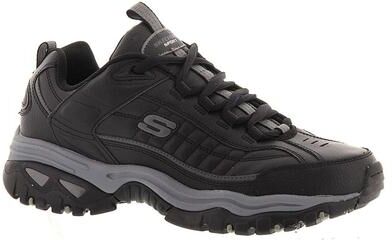
Skechers Sport Slip-ins: Glide Step-Noxus - Mens 9 Black Training Medium*Step into effortless, easy comfort with Skechers Hands Free Slip-ins: Glide-Step - Noxus. Diamond mesh upper with an xed stretch-laced front. Skechers Air-Cooled Memory Foam insole. Glide-Step midsole. Exclusive Heel Pillow™ Skechers Sport...55,97 $*Shipping: 6,95 $Secure redirect to the provider
-
What does 'Dich kann keiner zähmen' mean?
The phrase 'Dich kann keiner zähmen' is German and translates to "No one can tame you" in English. It implies that the person being referred to is wild, untamed, or uncontrollable. It suggests that the individual is independent, strong-willed, and cannot be easily influenced or controlled by others. **
-
What does "Dich kann keiner ersetzen" mean?
"Dich kann keiner ersetzen" is a German phrase that translates to "No one can replace you" in English. It is a statement expressing the sentiment that the person being addressed is irreplaceable and holds a special place in the speaker's life. It conveys a deep sense of value and appreciation for the individual. **
-
What is the difference between 'kann' and 'könnte'?
'Kann' is the present tense form of the modal verb 'können,' which means 'can' in English. It is used to express ability or possibility in the present moment. On the other hand, 'könnte' is the past tense form of 'können' and is used to express possibility or ability in the past or in hypothetical situations. So, while 'kann' refers to present ability or possibility, 'könnte' refers to past ability or possibility. **
-
'auskommen kann?' translates to 'can manage?' in English.
Yes, "auskommen kann?" translates to "can manage?" in English. It is a question asking if someone is able to get by or cope with a situation, often referring to managing financially or dealing with a difficult circumstance. This phrase is commonly used in German to inquire about someone's ability to handle a particular situation. **
* All prices are inclusive of VAT and, if applicable, plus shipping costs. The offer information is based on the details provided by the respective shop and is updated through automated processes. Real-time updates do not occur, so deviations can occur in individual cases. ** Note: Parts of this content were created by AI.