Buy fitnessbikes.eu ?
We are moving the project
fitnessbikes.eu .
Are you interested in purchasing the domain
fitnessbikes.eu ?
domain@kv-gmbh.de · 0541-91531010
Buy fitnessbikes.eu ?
How does the brake fluid circulate in a drum brake system?
In a drum brake system, the brake fluid circulates from the master cylinder through the brake lines to the wheel cylinders. When the brake pedal is pressed, the master cylinder forces the brake fluid through the brake lines and into the wheel cylinders, causing the brake shoes to press against the brake drum and slow down the vehicle. The pressure from the brake fluid is what activates the wheel cylinders and causes the brake shoes to make contact with the brake drum, creating friction and stopping the vehicle. **
What can I do if my drum brake squeaks when I brake?
If your drum brake squeaks when you brake, it may be due to a few reasons such as worn-out brake pads, lack of lubrication, or dirt and debris buildup. To address this issue, you can start by inspecting the brake pads for wear and replacing them if necessary. Additionally, you can lubricate the contact points between the brake components to reduce friction and eliminate the squeaking noise. If the problem persists, it may be best to have a professional mechanic inspect and repair the drum brake system. **

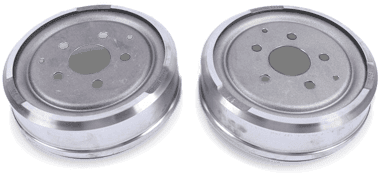
Similar search terms for LPR-7D0629-Brake-drum
Top-Angebote
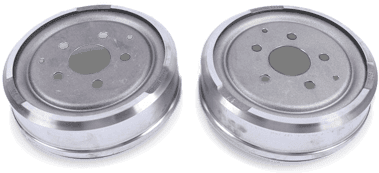
Products related to LPR-7D0629-Brake-drum:
-
LPR 7D0560 Brake drumRim Hole Number: 4; Centering Diameter [mm]: 57; Total brake drum height [mm]: 65,5; Inner brake drum height [mm]: 50; Inner brake drum diameter [mm]: 230; Number of mounting bores: 1; max. brake drum reboring dimension [mm]: 231; Diameter: 230; Fitting Position: Rear Axle; Country Specific Design: India; Vehicle Identification Number (VIN) from: T2500001, T-000001, T5000001, T6000001, T8000001, TP0; Construction Year from: 09/1995, 09/1999, 08/1999, 09/2000, 09/1998, 08/2001, 10/2004; TecDoc Engine Number: 4819; Vehicle type: based on Astra, 55; Construction Year to: 08/1996, 12/1999, 02/1999, 02/1998, 07/1999, 07/2003, 07/2001, 04/1993, 07/2000, 12/2004, 08/2002, 06/2005, 03/2004, 10/2004, 03/2005; Vehicle Identification Number (VIN) to: W7999999, W-999999, 32999999, 35999999, 36999999, 38999999, 3G, 33999999, 34; Braking/Driving Dynamics: for vehicles without ABS; Transmission Type: Automatic Transmission44,98 £*Shipping: 8,45 £Secure redirect to the provider
-
LPR 7D0691CA Brake drumRim Hole Number: 4; Centering Diameter [mm]: 65; Brake Type: Brake Drum with Bearing; max. brake drum reboring dimension [mm]: 230,1; Inner brake drum height [mm]: 51; Supplementary Article / Supplementary Info Info 2: with ABS sensor ring; Inner brake drum diameter [mm]: 228,6; Total brake drum height [mm]: 76,5; No. of holes 1: 4; Fitting Position: Rear Axle; Construction Year from: 11/2009; Construction Year to: 12/2012167,98 £*Shipping: 8,45 £Secure redirect to the provider
-
LPR 7D0443 Brake drumInner brake drum height [mm]: 49; max. brake drum reboring dimension [mm]: 181,2; Rim Hole Number: 5; Number of mounting bores: 1; Centering Diameter [mm]: 67; Inner brake drum diameter [mm]: 180; Total brake drum height [mm]: 57,5; Construction Year from: 09/1997, 08/1998, 05/1999; Fitting Position: Rear Axle; Braking/Driving Dynamics: for vehicles without ABS; Wheelbase: short wheelbase; Construction Year to: 01/200174,98 £*Shipping: 8,45 £Secure redirect to the provider
-
LPR 7D0444 Brake drumInner brake drum diameter [mm]: 254; Number of mounting bores: 2; Rim Hole Number: 6; max. brake drum reboring dimension [mm]: 256; Inner brake drum height [mm]: 62; Total brake drum height [mm]: 83; Centering Diameter [mm]: 93,5; Construction Year from: 06/1998; Fitting Position: Rear Axle; Construction Year to: 05/1998107,98 £*Shipping: 8,45 £Secure redirect to the provider


-
What are the differences between a drum brake and a disc brake?
Drum brakes and disc brakes are two common types of braking systems in vehicles. Drum brakes use brake shoes that press outwards against the inside of a rotating drum to slow down the vehicle, while disc brakes use brake pads that clamp onto a rotor to create friction and slow down the vehicle. Disc brakes are generally more efficient at dissipating heat and are less prone to brake fade compared to drum brakes. Additionally, disc brakes are typically easier to maintain and provide better stopping power, especially in wet conditions. **
-
Why is the scooter drum brake not working?
The scooter drum brake may not be working due to a variety of reasons. It could be due to worn-out brake pads, a malfunctioning brake drum, or a problem with the brake cable or lever. Additionally, the brake system may be contaminated with oil, grease, or other debris, causing it to lose its effectiveness. It is important to inspect and troubleshoot each component of the brake system to identify the specific issue and address it accordingly. Regular maintenance and proper care of the brake system can help prevent such issues from occurring. **
-
What is a drum brake on a bicycle?
A drum brake on a bicycle is a type of braking system that uses friction to slow down or stop the bike. It consists of a metal drum attached to the hub of the wheel, with brake shoes or pads inside the drum. When the rider applies the brake lever, the brake shoes are forced against the inside of the drum, creating friction and slowing down the rotation of the wheel. Drum brakes are known for their durability and low maintenance requirements, making them a popular choice for commuter and city bikes. **
-
Is it normal to have a drum brake?
Yes, it is normal to have a drum brake on a vehicle. Drum brakes are a common type of braking system used on many cars, trucks, and motorcycles. They work by using brake shoes to press against the inside of a rotating drum to slow down or stop the vehicle. While disc brakes have become more popular in recent years, many vehicles still use drum brakes, especially on the rear wheels. **


What can be done about a squeaking drum brake?
If a drum brake is squeaking, it may be due to a lack of lubrication, worn brake shoes, or a build-up of dust and debris. To address this issue, you can try lubricating the contact points between the brake shoes and backing plate, replacing the brake shoes if they are worn out, and cleaning the drum brake components to remove any debris. If the squeaking persists, it may be best to have a professional inspect and repair the drum brake to ensure it is functioning properly. **
What is the difference between a drum brake and a roller brake on a bicycle?
Drum brakes and roller brakes are both types of internal hub brakes used on bicycles. The main difference between the two is the way they apply braking force. Drum brakes use brake shoes that press against the inside of a rotating drum to slow down the wheel, while roller brakes use rollers that are forced outward against the inside of a stationary housing to create friction and slow down the wheel. Drum brakes are typically more common and provide better braking performance, while roller brakes are known for their low maintenance requirements and weather resistance. **
Top-Angebote
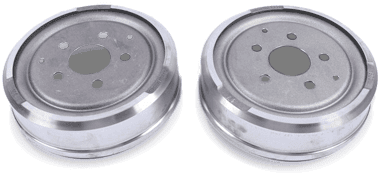
Products related to LPR-7D0629-Brake-drum:
-
LPR 7D0011 Brake drumRim Hole Number: 4; Inner brake drum height [mm]: 46,5; max. brake drum reboring dimension [mm]: 229,5; Centering Diameter [mm]: 62; Number of mounting bores: 1; Inner brake drum diameter [mm]: 228,6; Total brake drum height [mm]: 58,5; Fitting Position: Rear Axle; Braking/Driving Dynamics: for vehicles without ABS; Special Purpose Vehicle: not for government vehicles; Construction Year from: 05/1987; Construction Year to: 08/1990, 08/199241,98 £*Shipping: 8,45 £Secure redirect to the provider
-
LPR 7D0471 Brake drumInner brake drum height [mm]: 46,5; Rim Hole Number: 4; Total brake drum height [mm]: 81; Inner brake drum diameter [mm]: 203; Centering Diameter [mm]: 52; max. brake drum reboring dimension [mm]: 204,5; Fitting Position: Rear Axle; Braking/Driving Dynamics: for vehicles with ABS, for vehicles without ABS; Construction Year from: 05/1995, 05/1997, 07/1994, 07/2000, 05/1998, 02/1999, 09/1995, 06/1996; Construction Year to: 05/2001, 04/1999, 05/1999, 10/1997, 04/1997, 10/2004; Vehicle type: DW8B67,98 £*Shipping: 8,45 £Secure redirect to the provider
-
LPR 7D0560 Brake drumRim Hole Number: 4; Centering Diameter [mm]: 57; Total brake drum height [mm]: 65,5; Inner brake drum height [mm]: 50; Inner brake drum diameter [mm]: 230; Number of mounting bores: 1; max. brake drum reboring dimension [mm]: 231; Diameter: 230; Fitting Position: Rear Axle; Country Specific Design: India; Vehicle Identification Number (VIN) from: T2500001, T-000001, T5000001, T6000001, T8000001, TP0; Construction Year from: 09/1995, 09/1999, 08/1999, 09/2000, 09/1998, 08/2001, 10/2004; TecDoc Engine Number: 4819; Vehicle type: based on Astra, 55; Construction Year to: 08/1996, 12/1999, 02/1999, 02/1998, 07/1999, 07/2003, 07/2001, 04/1993, 07/2000, 12/2004, 08/2002, 06/2005, 03/2004, 10/2004, 03/2005; Vehicle Identification Number (VIN) to: W7999999, W-999999, 32999999, 35999999, 36999999, 38999999, 3G, 33999999, 34; Braking/Driving Dynamics: for vehicles without ABS; Transmission Type: Automatic Transmission44,98 £*Shipping: 8,45 £Secure redirect to the provider
-
LPR 7D0691CA Brake drumRim Hole Number: 4; Centering Diameter [mm]: 65; Brake Type: Brake Drum with Bearing; max. brake drum reboring dimension [mm]: 230,1; Inner brake drum height [mm]: 51; Supplementary Article / Supplementary Info Info 2: with ABS sensor ring; Inner brake drum diameter [mm]: 228,6; Total brake drum height [mm]: 76,5; No. of holes 1: 4; Fitting Position: Rear Axle; Construction Year from: 11/2009; Construction Year to: 12/2012167,98 £*Shipping: 8,45 £Secure redirect to the provider
-
How does the brake fluid circulate in a drum brake system?
In a drum brake system, the brake fluid circulates from the master cylinder through the brake lines to the wheel cylinders. When the brake pedal is pressed, the master cylinder forces the brake fluid through the brake lines and into the wheel cylinders, causing the brake shoes to press against the brake drum and slow down the vehicle. The pressure from the brake fluid is what activates the wheel cylinders and causes the brake shoes to make contact with the brake drum, creating friction and stopping the vehicle. **
-
What can I do if my drum brake squeaks when I brake?
If your drum brake squeaks when you brake, it may be due to a few reasons such as worn-out brake pads, lack of lubrication, or dirt and debris buildup. To address this issue, you can start by inspecting the brake pads for wear and replacing them if necessary. Additionally, you can lubricate the contact points between the brake components to reduce friction and eliminate the squeaking noise. If the problem persists, it may be best to have a professional mechanic inspect and repair the drum brake system. **
-
What are the differences between a drum brake and a disc brake?
Drum brakes and disc brakes are two common types of braking systems in vehicles. Drum brakes use brake shoes that press outwards against the inside of a rotating drum to slow down the vehicle, while disc brakes use brake pads that clamp onto a rotor to create friction and slow down the vehicle. Disc brakes are generally more efficient at dissipating heat and are less prone to brake fade compared to drum brakes. Additionally, disc brakes are typically easier to maintain and provide better stopping power, especially in wet conditions. **
-
Why is the scooter drum brake not working?
The scooter drum brake may not be working due to a variety of reasons. It could be due to worn-out brake pads, a malfunctioning brake drum, or a problem with the brake cable or lever. Additionally, the brake system may be contaminated with oil, grease, or other debris, causing it to lose its effectiveness. It is important to inspect and troubleshoot each component of the brake system to identify the specific issue and address it accordingly. Regular maintenance and proper care of the brake system can help prevent such issues from occurring. **
Similar search terms for LPR-7D0629-Brake-drum
-
LPR 7D0443 Brake drumInner brake drum height [mm]: 49; max. brake drum reboring dimension [mm]: 181,2; Rim Hole Number: 5; Number of mounting bores: 1; Centering Diameter [mm]: 67; Inner brake drum diameter [mm]: 180; Total brake drum height [mm]: 57,5; Construction Year from: 09/1997, 08/1998, 05/1999; Fitting Position: Rear Axle; Braking/Driving Dynamics: for vehicles without ABS; Wheelbase: short wheelbase; Construction Year to: 01/200174,98 £*Shipping: 8,45 £Secure redirect to the provider
-
LPR 7D0444 Brake drumInner brake drum diameter [mm]: 254; Number of mounting bores: 2; Rim Hole Number: 6; max. brake drum reboring dimension [mm]: 256; Inner brake drum height [mm]: 62; Total brake drum height [mm]: 83; Centering Diameter [mm]: 93,5; Construction Year from: 06/1998; Fitting Position: Rear Axle; Construction Year to: 05/1998107,98 £*Shipping: 8,45 £Secure redirect to the provider
-
LPR 7D0652 Brake drumTotal brake drum height [mm]: 76; max. brake drum reboring dimension [mm]: 204,45; Inner brake drum diameter [mm]: 203,3; Centering Diameter [mm]: 52; Inner brake drum height [mm]: 50,5; Fitting Position: Rear Axle; Braking/Driving Dynamics: for vehicles with ABS, for vehicles without ESP; Construction Year from: 04/2005, 11/2007, 09/2005; Construction Year to: 12/2011, 12/2012, 10/200689,98 £*Shipping: 8,45 £Secure redirect to the provider
-
LPR 7D0645 Brake drumCentering Diameter [mm]: 63,4; Inner brake drum diameter [mm]: 228,6; Total brake drum height [mm]: 89,5; Inner brake drum height [mm]: 68; max. brake drum reboring dimension [mm]: 230; Rim Hole Number: 5; Diameter: 228,6; Fitting Position: Rear Axle; Braking/Driving Dynamics: for vehicles with ABS, for vehicles without TC, for vehicles without ABS82,98 £*Shipping: 8,45 £Secure redirect to the provider
-
What is a drum brake on a bicycle?
A drum brake on a bicycle is a type of braking system that uses friction to slow down or stop the bike. It consists of a metal drum attached to the hub of the wheel, with brake shoes or pads inside the drum. When the rider applies the brake lever, the brake shoes are forced against the inside of the drum, creating friction and slowing down the rotation of the wheel. Drum brakes are known for their durability and low maintenance requirements, making them a popular choice for commuter and city bikes. **
-
Is it normal to have a drum brake?
Yes, it is normal to have a drum brake on a vehicle. Drum brakes are a common type of braking system used on many cars, trucks, and motorcycles. They work by using brake shoes to press against the inside of a rotating drum to slow down or stop the vehicle. While disc brakes have become more popular in recent years, many vehicles still use drum brakes, especially on the rear wheels. **
-
What can be done about a squeaking drum brake?
If a drum brake is squeaking, it may be due to a lack of lubrication, worn brake shoes, or a build-up of dust and debris. To address this issue, you can try lubricating the contact points between the brake shoes and backing plate, replacing the brake shoes if they are worn out, and cleaning the drum brake components to remove any debris. If the squeaking persists, it may be best to have a professional inspect and repair the drum brake to ensure it is functioning properly. **
-
What is the difference between a drum brake and a roller brake on a bicycle?
Drum brakes and roller brakes are both types of internal hub brakes used on bicycles. The main difference between the two is the way they apply braking force. Drum brakes use brake shoes that press against the inside of a rotating drum to slow down the wheel, while roller brakes use rollers that are forced outward against the inside of a stationary housing to create friction and slow down the wheel. Drum brakes are typically more common and provide better braking performance, while roller brakes are known for their low maintenance requirements and weather resistance. **
* All prices are inclusive of VAT and, if applicable, plus shipping costs. The offer information is based on the details provided by the respective shop and is updated through automated processes. Real-time updates do not occur, so deviations can occur in individual cases. ** Note: Parts of this content were created by AI.