Buy fitnessbikes.eu ?
We are moving the project
fitnessbikes.eu .
Are you interested in purchasing the domain
fitnessbikes.eu ?
domain@kv-gmbh.de · 0541-91531010
Buy fitnessbikes.eu ?
What is the Push-Pull-Leg-2 training?
The Push-Pull-Leg-2 training is a workout split that divides exercises into three main categories: push, pull, and legs. The "2" in the name indicates that the split is done twice per week, allowing for increased frequency and volume. This training method is popular among bodybuilders and strength trainers as it provides a balanced approach to working different muscle groups while allowing for adequate rest and recovery between sessions. The push day typically includes exercises like bench press and shoulder press, the pull day includes exercises like rows and pull-ups, and the leg day includes exercises like squats and deadlifts. **
What is the push-pull-leg training plan?
The push-pull-leg training plan is a popular workout split that divides exercises into three main categories: push, pull, and legs. The push day focuses on exercises that target the pushing muscles such as chest, shoulders, and triceps. The pull day targets the pulling muscles like back and biceps. The leg day is dedicated to exercises that work the lower body muscles such as quads, hamstrings, and calves. This training plan allows for adequate rest and recovery for each muscle group while providing a balanced approach to strength training. **

Similar search terms for Push-pull-leg
Top-Angebote
Products related to Push-pull-leg:
-
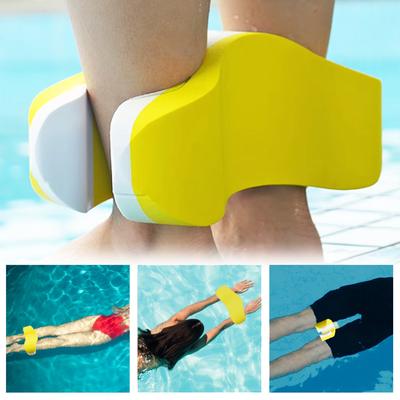
The Handy Homestead EVA Pull Buoy Leg Float For Swim Training EVA Pull Buoy Leg Float For Swim TrainingBuild cleaner strokes and better body alignment with this pull buoy made to support your legs while you focus on technique. Ideal for adults, beginners, and fitness swimmers, this swim training aid helps isolate upperbody movement during freestyle...59,97 $*Shipping: 0,00 $Secure redirect to the provider
-
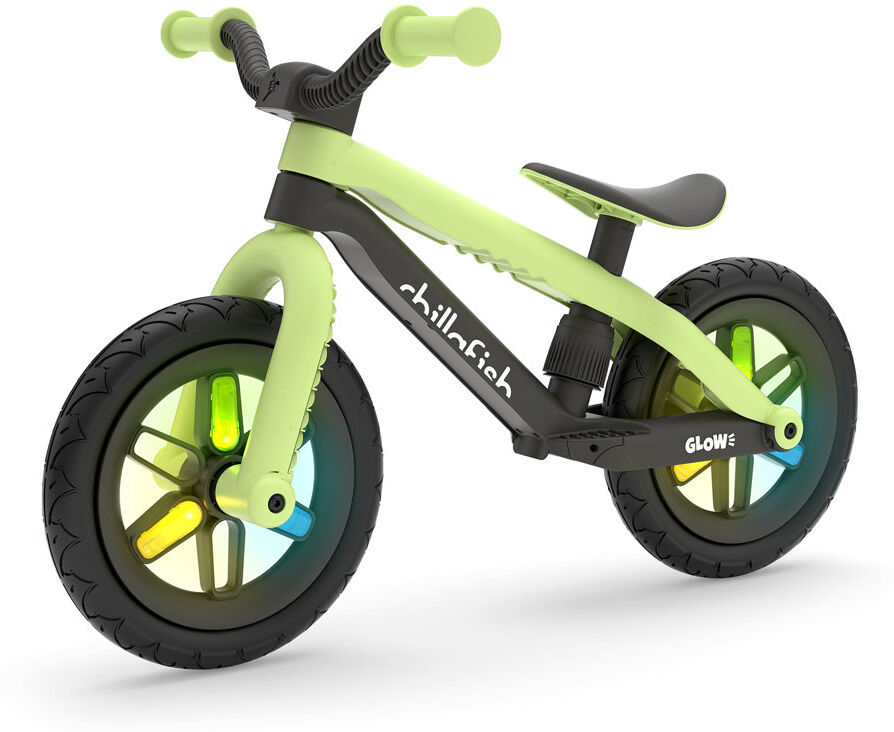
Chillafish Push/Pull Ride On Toy Black 1Charlie is a hyper lightweight 10" balance trainer with puncture-proof tires and a high-quality metal frame weighing only 5,5 lbs / 2,5 kg. Perfect to train your toddler's gross motor skills, balance, and steering. Chillafish Colour: Black52,99 £*Shipping: 4,99 £Secure redirect to the provider



-
How does the push-pull-leg training work?
Push-pull-leg training is a popular workout split that divides exercises based on the movement patterns involved. In this training method, push exercises focus on muscles involved in pushing movements like chest, shoulders, and triceps. Pull exercises target muscles used in pulling movements such as back and biceps. Leg exercises work on lower body muscles like quadriceps, hamstrings, and calves. This split allows for adequate rest and recovery for each muscle group while ensuring a balanced and effective workout routine. **
-
What is the push-pull-leg training for three workout sessions?
The push-pull-leg training split is a popular workout routine that divides the exercises based on the primary muscle groups being worked. In a three workout session format, you would typically have one day dedicated to push exercises (e.g., chest, shoulders, triceps), one day for pull exercises (e.g., back, biceps), and one day for leg exercises (e.g., quadriceps, hamstrings, calves). This split allows for adequate rest and recovery for each muscle group while ensuring a well-rounded workout targeting different areas of the body. It is important to vary the exercises and intensity to continue challenging the muscles and promoting growth. **
-
What is a good push-pull leg workout plan?
A good push-pull leg workout plan typically involves splitting your workouts into three different days: one day for push exercises (such as chest, shoulders, and triceps), one day for pull exercises (such as back and biceps), and one day for leg exercises (such as squats, lunges, and deadlifts). This type of workout plan allows for adequate rest and recovery for each muscle group while still allowing you to train with high intensity. It's important to include a variety of exercises that target different muscle groups within each category, and to progressively increase the intensity and volume of your workouts over time to continue seeing progress. **
-
Should one take a day off in between push-pull-leg training?
Yes, it is generally recommended to take a day off in between push-pull-leg training to allow for adequate rest and recovery. This will help prevent overtraining and reduce the risk of injury. Giving your muscles time to recover will also allow them to repair and grow, leading to better overall progress in strength and muscle development. However, individual needs and recovery rates may vary, so it's important to listen to your body and adjust your training schedule accordingly. **

What is the difference between Push Pull Leg and OK UK?
The main difference between Push Pull Leg (PPL) and OK UK workout routines lies in their focus and organization. PPL is a workout split that divides exercises into three categories: push (e.g. chest, shoulders, triceps), pull (e.g. back, biceps), and legs (e.g. quads, hamstrings, calves). This allows for a balanced distribution of muscle groups and recovery time. On the other hand, OK UK is a workout routine that focuses on compound movements and full-body workouts, with an emphasis on strength and power. It typically involves exercises like squats, deadlifts, bench press, and overhead press, and is designed to improve overall strength and athleticism. **
How can Sascha Huber's push-pull leg training day be effectively designed for beginners?
Sascha Huber's push-pull leg training day can be effectively designed for beginners by starting with compound movements such as squats, deadlifts, bench press, and pull-ups to build a strong foundation. Beginners should focus on mastering proper form and technique before increasing weight. It's important to include a variety of exercises targeting different muscle groups to ensure overall development. Additionally, incorporating rest periods and gradually increasing the intensity and volume of the workout over time will help beginners progress safely and effectively. **
Top-Angebote
Products related to Push-pull-leg:
-
Toyrific Push/Pull Ride On ToyThis Xootz Ride-On Toy is perfect for young riders with its durable green steel frame designed to withstand knicks and bumps. Even better, it’s easy assemble so your child can be up and riding in no time with a minimum of fuss. Toyrific46,99 £*Shipping: 4,99 £Secure redirect to the provider
-
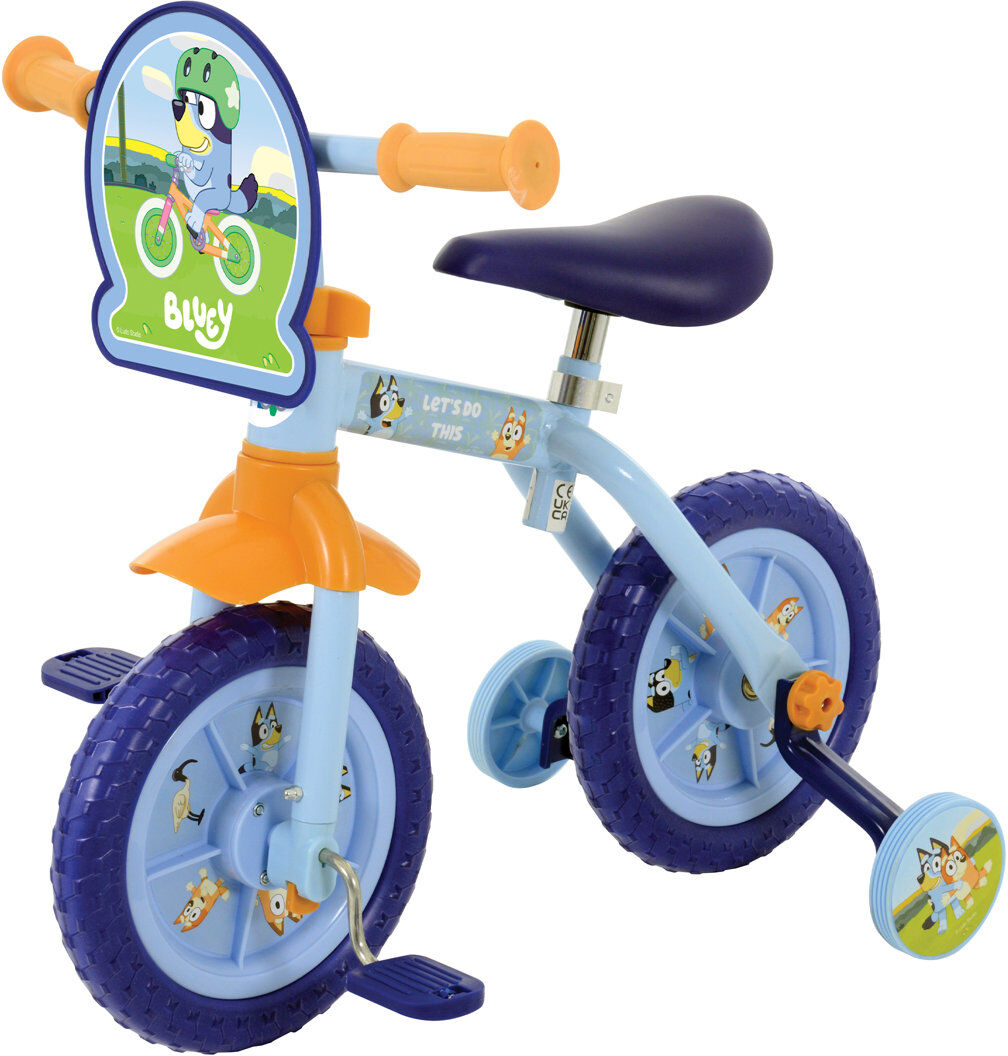
Bluey Push/Pull Ride On Blue- CHARACTER FAVORITES - officially licenced with character favorites! Featuring brightly coloured decals, shaped plaque and components ideal for visual development! - ROBUST - durable steel frame and puncture proof EVA tyres ensure confidence and longevity of product - CONVERTS - quick and easy conversion from a balance bike to a pedal bike with removable stabilisers and pedals. Featuring both a freewheel and a pedal function and direct pedal drive - COMFORT - the handlebars feature soft moulded grips for little hands whilst the lightweight, wide wheels with deep tread offer a smoother and more stable ride. A front mudguard prevents riders from getting to messy and protects from debris. - GREAT FOR YOUNG CHILDREN - encourages the development of balance and coordination. Can be adjusted to growing children as confidence and ability improves with adjustable handlebar height of 53-55.5cm and an adjustable seat height of 40-42cm - SAFETY FIRST - EN71 tested. CE UKCA compliant. Non-toxic plastic. Suitable age 2+ years. Maximum user weight 20kg Bluey55,00 £*Shipping: 4,99 £Secure redirect to the provider
-
The Handy Homestead EVA Pull Buoy Leg Float For Swim Training EVA Pull Buoy Leg Float For Swim TrainingBuild cleaner strokes and better body alignment with this pull buoy made to support your legs while you focus on technique. Ideal for adults, beginners, and fitness swimmers, this swim training aid helps isolate upperbody movement during freestyle...59,97 $*Shipping: 0,00 $Secure redirect to the provider
-
What is the Push-Pull-Leg-2 training?
The Push-Pull-Leg-2 training is a workout split that divides exercises into three main categories: push, pull, and legs. The "2" in the name indicates that the split is done twice per week, allowing for increased frequency and volume. This training method is popular among bodybuilders and strength trainers as it provides a balanced approach to working different muscle groups while allowing for adequate rest and recovery between sessions. The push day typically includes exercises like bench press and shoulder press, the pull day includes exercises like rows and pull-ups, and the leg day includes exercises like squats and deadlifts. **
-
What is the push-pull-leg training plan?
The push-pull-leg training plan is a popular workout split that divides exercises into three main categories: push, pull, and legs. The push day focuses on exercises that target the pushing muscles such as chest, shoulders, and triceps. The pull day targets the pulling muscles like back and biceps. The leg day is dedicated to exercises that work the lower body muscles such as quads, hamstrings, and calves. This training plan allows for adequate rest and recovery for each muscle group while providing a balanced approach to strength training. **
-
How does the push-pull-leg training work?
Push-pull-leg training is a popular workout split that divides exercises based on the movement patterns involved. In this training method, push exercises focus on muscles involved in pushing movements like chest, shoulders, and triceps. Pull exercises target muscles used in pulling movements such as back and biceps. Leg exercises work on lower body muscles like quadriceps, hamstrings, and calves. This split allows for adequate rest and recovery for each muscle group while ensuring a balanced and effective workout routine. **
-
What is the push-pull-leg training for three workout sessions?
The push-pull-leg training split is a popular workout routine that divides the exercises based on the primary muscle groups being worked. In a three workout session format, you would typically have one day dedicated to push exercises (e.g., chest, shoulders, triceps), one day for pull exercises (e.g., back, biceps), and one day for leg exercises (e.g., quadriceps, hamstrings, calves). This split allows for adequate rest and recovery for each muscle group while ensuring a well-rounded workout targeting different areas of the body. It is important to vary the exercises and intensity to continue challenging the muscles and promoting growth. **
Similar search terms for Push-pull-leg
-
Chillafish Push/Pull Ride On Toy Black 1Charlie is a hyper lightweight 10" balance trainer with puncture-proof tires and a high-quality metal frame weighing only 5,5 lbs / 2,5 kg. Perfect to train your toddler's gross motor skills, balance, and steering. Chillafish Colour: Black52,99 £*Shipping: 4,99 £Secure redirect to the provider
-
Chillafish Push/Pull Ride On Toy Beige 1Charlie is a hyper lightweight 10" balance trainer with puncture-proof tires and a high-quality metal frame weighing only 5,5 lbs / 2,5 kg. Perfect to train your toddler's gross motor skills, balance, and steering. Chillafish Colour: Beige67,99 £*Shipping: 0,00 £Secure redirect to the provider
-
What is a good push-pull leg workout plan?
A good push-pull leg workout plan typically involves splitting your workouts into three different days: one day for push exercises (such as chest, shoulders, and triceps), one day for pull exercises (such as back and biceps), and one day for leg exercises (such as squats, lunges, and deadlifts). This type of workout plan allows for adequate rest and recovery for each muscle group while still allowing you to train with high intensity. It's important to include a variety of exercises that target different muscle groups within each category, and to progressively increase the intensity and volume of your workouts over time to continue seeing progress. **
-
Should one take a day off in between push-pull-leg training?
Yes, it is generally recommended to take a day off in between push-pull-leg training to allow for adequate rest and recovery. This will help prevent overtraining and reduce the risk of injury. Giving your muscles time to recover will also allow them to repair and grow, leading to better overall progress in strength and muscle development. However, individual needs and recovery rates may vary, so it's important to listen to your body and adjust your training schedule accordingly. **
-
What is the difference between Push Pull Leg and OK UK?
The main difference between Push Pull Leg (PPL) and OK UK workout routines lies in their focus and organization. PPL is a workout split that divides exercises into three categories: push (e.g. chest, shoulders, triceps), pull (e.g. back, biceps), and legs (e.g. quads, hamstrings, calves). This allows for a balanced distribution of muscle groups and recovery time. On the other hand, OK UK is a workout routine that focuses on compound movements and full-body workouts, with an emphasis on strength and power. It typically involves exercises like squats, deadlifts, bench press, and overhead press, and is designed to improve overall strength and athleticism. **
-
How can Sascha Huber's push-pull leg training day be effectively designed for beginners?
Sascha Huber's push-pull leg training day can be effectively designed for beginners by starting with compound movements such as squats, deadlifts, bench press, and pull-ups to build a strong foundation. Beginners should focus on mastering proper form and technique before increasing weight. It's important to include a variety of exercises targeting different muscle groups to ensure overall development. Additionally, incorporating rest periods and gradually increasing the intensity and volume of the workout over time will help beginners progress safely and effectively. **
* All prices are inclusive of VAT and, if applicable, plus shipping costs. The offer information is based on the details provided by the respective shop and is updated through automated processes. Real-time updates do not occur, so deviations can occur in individual cases. ** Note: Parts of this content were created by AI.