Buy fitnessbikes.eu ?
We are moving the project
fitnessbikes.eu .
Are you interested in purchasing the domain
fitnessbikes.eu ?
domain@kv-gmbh.de · 0541-91531010
Buy fitnessbikes.eu ?
Which sport for ankylosing spondylitis?
For individuals with ankylosing spondylitis, low-impact exercises such as swimming, cycling, and walking are generally recommended. These activities can help improve flexibility, strengthen muscles, and maintain overall physical fitness without putting too much strain on the joints. It is important to consult with a healthcare provider or physical therapist to determine the most suitable sport or exercise regimen based on individual needs and limitations. **
Is ankylosing spondylitis a disability?
Ankylosing spondylitis can be considered a disability if it significantly impacts a person's ability to perform daily activities or work tasks. The condition causes inflammation in the spine and can lead to stiffness, pain, and reduced mobility, which may limit a person's ability to work or engage in certain activities. However, the severity of ankylosing spondylitis can vary among individuals, so it is important to assess each case individually to determine if it meets the criteria for disability. **
Similar search terms for Ankylosing
Top-Angebote
Products related to Ankylosing:
-
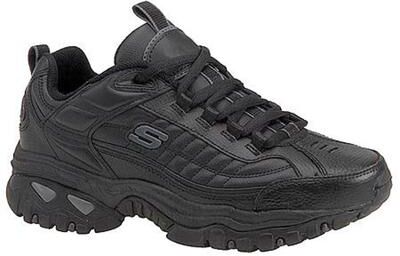
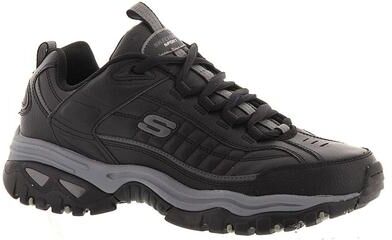
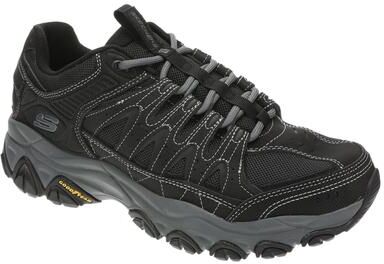
Skechers Sport After Burn-M. Fit 2.0 - Mens 7.5 Black Training W2*Explore wild terrain in comfort with Skechers After Burn M.Fit 2.0.. Leather, synthetic, and mesh upper. Skechers Memory Foam™ insole. Goodyear rubber outsole Skechers Sport After Burn-M. Fit 2.0 - Mens 7.5 Black Training W259,47 $*Shipping: 6,95 $Secure redirect to the provider



-
Where does ankylosing spondylitis begin?
Ankylosing spondylitis typically begins in the lower back and sacroiliac joints. It is a type of arthritis that primarily affects the spine, causing inflammation and pain in the vertebrae. Over time, the inflammation can lead to the fusion of the vertebrae, resulting in a stiff and less flexible spine. **
-
How does ankylosing spondylitis manifest itself?
Ankylosing spondylitis typically manifests as chronic inflammation in the spine and sacroiliac joints, leading to stiffness, pain, and reduced mobility in the lower back and buttocks. Over time, the inflammation can cause the vertebrae to fuse together, resulting in a rigid spine. Other symptoms may include fatigue, loss of appetite, and inflammation in other joints such as the hips, shoulders, and ribs. In severe cases, ankylosing spondylitis can also affect the eyes, heart, and lungs. **
-
How can one live with ankylosing spondylitis?
Living with ankylosing spondylitis involves a combination of medical treatment, lifestyle changes, and self-care. It is important to work closely with healthcare providers to manage symptoms and slow down the progression of the disease. Regular exercise, maintaining good posture, and practicing good sleep habits can help manage pain and stiffness. Additionally, joining a support group or seeking counseling can provide emotional support and help cope with the challenges of living with ankylosing spondylitis. **
-
Which biologics are used for ankylosing spondylitis?
Biologics commonly used for ankylosing spondylitis include tumor necrosis factor (TNF) inhibitors such as adalimumab, etanercept, and infliximab. Other biologics that may be prescribed for ankylosing spondylitis include ustekinumab, secukinumab, and ixekizumab, which target different pathways involved in the inflammatory process of the disease. These biologics are typically used when nonsteroidal anti-inflammatory drugs (NSAIDs) and conventional disease-modifying antirheumatic drugs (DMARDs) have not provided sufficient relief for the symptoms of ankylosing spondylitis. **


Which exercises are recommended for ankylosing spondylitis?
Exercises recommended for ankylosing spondylitis typically include stretching, strengthening, and aerobic exercises. Stretching exercises can help improve flexibility and reduce stiffness in the spine and joints. Strengthening exercises focus on building muscle strength to support the spine and improve posture. Aerobic exercises like walking, swimming, or cycling can help improve cardiovascular health and overall fitness levels. It is important to consult with a healthcare provider or physical therapist to develop a personalized exercise plan that is safe and effective for managing ankylosing spondylitis. **
What can be done for ankylosing spondylitis?
Ankylosing spondylitis is a chronic condition that causes inflammation in the spine and can lead to stiffness and pain. Treatment for ankylosing spondylitis typically involves a combination of medication, physical therapy, and lifestyle changes. Nonsteroidal anti-inflammatory drugs (NSAIDs) are often prescribed to help reduce inflammation and manage pain. In some cases, biologic medications may be used to target the underlying cause of the inflammation. Physical therapy and regular exercise can help improve flexibility and strengthen the muscles supporting the spine. Additionally, maintaining good posture and avoiding activities that may worsen symptoms can also be beneficial. It's important for individuals with ankylosing spondylitis to work closely with their healthcare team to develop a comprehensive treatment plan that addresses their specific needs. **
Top-Angebote
Products related to Ankylosing:
-
Which sport for ankylosing spondylitis?
For individuals with ankylosing spondylitis, low-impact exercises such as swimming, cycling, and walking are generally recommended. These activities can help improve flexibility, strengthen muscles, and maintain overall physical fitness without putting too much strain on the joints. It is important to consult with a healthcare provider or physical therapist to determine the most suitable sport or exercise regimen based on individual needs and limitations. **
-
Is ankylosing spondylitis a disability?
Ankylosing spondylitis can be considered a disability if it significantly impacts a person's ability to perform daily activities or work tasks. The condition causes inflammation in the spine and can lead to stiffness, pain, and reduced mobility, which may limit a person's ability to work or engage in certain activities. However, the severity of ankylosing spondylitis can vary among individuals, so it is important to assess each case individually to determine if it meets the criteria for disability. **
-
Where does ankylosing spondylitis begin?
Ankylosing spondylitis typically begins in the lower back and sacroiliac joints. It is a type of arthritis that primarily affects the spine, causing inflammation and pain in the vertebrae. Over time, the inflammation can lead to the fusion of the vertebrae, resulting in a stiff and less flexible spine. **
-
How does ankylosing spondylitis manifest itself?
Ankylosing spondylitis typically manifests as chronic inflammation in the spine and sacroiliac joints, leading to stiffness, pain, and reduced mobility in the lower back and buttocks. Over time, the inflammation can cause the vertebrae to fuse together, resulting in a rigid spine. Other symptoms may include fatigue, loss of appetite, and inflammation in other joints such as the hips, shoulders, and ribs. In severe cases, ankylosing spondylitis can also affect the eyes, heart, and lungs. **
Similar search terms for Ankylosing
-
Skechers Sport After Burn-M. Fit 2.0 - Mens 7.5 Black Training W2*Explore wild terrain in comfort with Skechers After Burn M.Fit 2.0.. Leather, synthetic, and mesh upper. Skechers Memory Foam™ insole. Goodyear rubber outsole Skechers Sport After Burn-M. Fit 2.0 - Mens 7.5 Black Training W259,47 $*Shipping: 6,95 $Secure redirect to the provider
-
Skechers Sport After Burn-M. Fit 2.0 - Mens 9.5 Black Training W2*Explore wild terrain in comfort with Skechers After Burn M.Fit 2.0.. Leather, synthetic, and mesh upper. Skechers Memory Foam™ insole. Goodyear rubber outsole Skechers Sport After Burn-M. Fit 2.0 - Mens 9.5 Black Training W259,47 $*Shipping: 6,95 $Secure redirect to the provider
-
How can one live with ankylosing spondylitis?
Living with ankylosing spondylitis involves a combination of medical treatment, lifestyle changes, and self-care. It is important to work closely with healthcare providers to manage symptoms and slow down the progression of the disease. Regular exercise, maintaining good posture, and practicing good sleep habits can help manage pain and stiffness. Additionally, joining a support group or seeking counseling can provide emotional support and help cope with the challenges of living with ankylosing spondylitis. **
-
Which biologics are used for ankylosing spondylitis?
Biologics commonly used for ankylosing spondylitis include tumor necrosis factor (TNF) inhibitors such as adalimumab, etanercept, and infliximab. Other biologics that may be prescribed for ankylosing spondylitis include ustekinumab, secukinumab, and ixekizumab, which target different pathways involved in the inflammatory process of the disease. These biologics are typically used when nonsteroidal anti-inflammatory drugs (NSAIDs) and conventional disease-modifying antirheumatic drugs (DMARDs) have not provided sufficient relief for the symptoms of ankylosing spondylitis. **
-
Which exercises are recommended for ankylosing spondylitis?
Exercises recommended for ankylosing spondylitis typically include stretching, strengthening, and aerobic exercises. Stretching exercises can help improve flexibility and reduce stiffness in the spine and joints. Strengthening exercises focus on building muscle strength to support the spine and improve posture. Aerobic exercises like walking, swimming, or cycling can help improve cardiovascular health and overall fitness levels. It is important to consult with a healthcare provider or physical therapist to develop a personalized exercise plan that is safe and effective for managing ankylosing spondylitis. **
-
What can be done for ankylosing spondylitis?
Ankylosing spondylitis is a chronic condition that causes inflammation in the spine and can lead to stiffness and pain. Treatment for ankylosing spondylitis typically involves a combination of medication, physical therapy, and lifestyle changes. Nonsteroidal anti-inflammatory drugs (NSAIDs) are often prescribed to help reduce inflammation and manage pain. In some cases, biologic medications may be used to target the underlying cause of the inflammation. Physical therapy and regular exercise can help improve flexibility and strengthen the muscles supporting the spine. Additionally, maintaining good posture and avoiding activities that may worsen symptoms can also be beneficial. It's important for individuals with ankylosing spondylitis to work closely with their healthcare team to develop a comprehensive treatment plan that addresses their specific needs. **
* All prices are inclusive of VAT and, if applicable, plus shipping costs. The offer information is based on the details provided by the respective shop and is updated through automated processes. Real-time updates do not occur, so deviations can occur in individual cases. ** Note: Parts of this content were created by AI.