Buy fitnessbikes.eu ?
We are moving the project
fitnessbikes.eu .
Are you interested in purchasing the domain
fitnessbikes.eu ?
domain@kv-gmbh.de · 0541-91531010
Buy fitnessbikes.eu ?
Is this relation antisymmetric?
Yes, a relation is antisymmetric if for all elements a and b in the relation, if (a, b) and (b, a) are both in the relation, then a must equal b. In other words, if there is a pair of distinct elements where both are related to each other, then the relation is not antisymmetric. **
Why should the less-than-or-equal relation be antisymmetric? It is only antisymmetric when all tuples are equal.
The less-than-or-equal relation should be antisymmetric because it represents a partial ordering where elements can be compared in terms of their magnitude. If the relation were not antisymmetric, it would violate the property that if a ≤ b and b ≤ a, then a = b. This would lead to inconsistencies in the ordering of elements. Therefore, in order for the less-than-or-equal relation to accurately represent a partial ordering, it must be antisymmetric, ensuring that no two distinct elements can be less than or equal to each other simultaneously. **


Similar search terms for Antisymmetric
Top-Angebote
Products related to Antisymmetric:
-
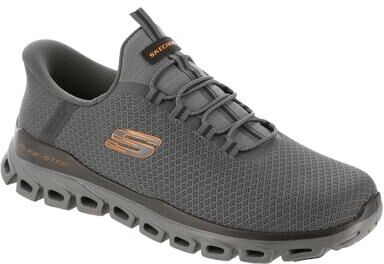
Skechers Sport Slip-ins: Glide Step-Noxus - Mens 7 Grey Training Medium*Step into effortless, easy comfort with Skechers Hands Free Slip-ins: Glide-Step - Noxus. Diamond mesh upper with an xed stretch-laced front. Skechers Air-Cooled Memory Foam insole. Glide-Step midsole. Exclusive Heel Pillow™ Skechers Sport...55,97 $*Shipping: 6,95 $Secure redirect to the provider



-
What is the difference between symmetric and antisymmetric?
Symmetric and antisymmetric are two types of relationships that can exist between elements in a set. In a symmetric relationship, if element A is related to element B, then element B is also related to element A. This means the relationship is bidirectional. In contrast, in an antisymmetric relationship, if element A is related to element B, then element B cannot be related to element A. This means the relationship is unidirectional and does not allow for both elements to be related to each other simultaneously. **
-
What is a relation that is symmetric but not antisymmetric?
A relation that is symmetric but not antisymmetric is a relation where if (a, b) is in the relation, then (b, a) is also in the relation, but it is not necessarily the case that a = b. In other words, the relation is reflexive and symmetric, but not antisymmetric. An example of such a relation is the "is a sibling of" relation. If person A is a sibling of person B, then person B is also a sibling of person A, but it is not necessarily the case that person A and person B are the same person. **
-
What is the definition of a relation that is antisymmetric and transitive, but not reflexive?
A relation that is antisymmetric and transitive, but not reflexive is a relation where if (a, b) is in the relation, and (b, a) is also in the relation, then a must equal b. Additionally, if (a, b) and (b, c) are in the relation, then (a, c) must also be in the relation. However, it does not require that every element is related to itself. In other words, it does not necessarily have the property that for every element a, (a, a) is in the relation. **
-
Who said gesundheit?
"Gesundheit" is a German word that means "health" or "bless you" when someone sneezes. It is commonly said in English-speaking countries after someone sneezes. There is no specific person who said "gesundheit," as it is a cultural practice that has been adopted over time. **

¿Quién dijo "gesundheit"?
La palabra "gesundheit" es una expresión alemana que se utiliza para desearle salud a alguien después de que estornuda. No está asociada a una persona en particular, sino que es una expresión comúnmente utilizada en varios países de habla inglesa. **
What does Ausdauer 14 mean?
Ausdauer 14 is a German term that translates to "endurance 14" in English. It refers to the ability to sustain prolonged physical or mental effort over a period of time. In the context of fitness or sports, Ausdauer 14 may refer to a specific training program or level of endurance that an athlete aims to achieve. Overall, Ausdauer 14 represents the capacity to persist and endure through challenges and obstacles. **
Top-Angebote
Products related to Antisymmetric:
-
Skechers Sport After Burn-M. Fit 2.0 - Mens 11 Black Training W2*Explore wild terrain in comfort with Skechers After Burn M.Fit 2.0.. Leather, synthetic, and mesh upper. Skechers Memory Foam™ insole. Goodyear rubber outsole Skechers Sport After Burn-M. Fit 2.0 - Mens 11 Black Training W259,47 $*Shipping: 6,95 $Secure redirect to the provider
-
Skechers Sport Slip-ins: Glide Step-Noxus - Mens 7 Grey Training Medium*Step into effortless, easy comfort with Skechers Hands Free Slip-ins: Glide-Step - Noxus. Diamond mesh upper with an xed stretch-laced front. Skechers Air-Cooled Memory Foam insole. Glide-Step midsole. Exclusive Heel Pillow™ Skechers Sport...55,97 $*Shipping: 6,95 $Secure redirect to the provider
-
Is this relation antisymmetric?
Yes, a relation is antisymmetric if for all elements a and b in the relation, if (a, b) and (b, a) are both in the relation, then a must equal b. In other words, if there is a pair of distinct elements where both are related to each other, then the relation is not antisymmetric. **
-
Why should the less-than-or-equal relation be antisymmetric? It is only antisymmetric when all tuples are equal.
The less-than-or-equal relation should be antisymmetric because it represents a partial ordering where elements can be compared in terms of their magnitude. If the relation were not antisymmetric, it would violate the property that if a ≤ b and b ≤ a, then a = b. This would lead to inconsistencies in the ordering of elements. Therefore, in order for the less-than-or-equal relation to accurately represent a partial ordering, it must be antisymmetric, ensuring that no two distinct elements can be less than or equal to each other simultaneously. **
-
What is the difference between symmetric and antisymmetric?
Symmetric and antisymmetric are two types of relationships that can exist between elements in a set. In a symmetric relationship, if element A is related to element B, then element B is also related to element A. This means the relationship is bidirectional. In contrast, in an antisymmetric relationship, if element A is related to element B, then element B cannot be related to element A. This means the relationship is unidirectional and does not allow for both elements to be related to each other simultaneously. **
-
What is a relation that is symmetric but not antisymmetric?
A relation that is symmetric but not antisymmetric is a relation where if (a, b) is in the relation, then (b, a) is also in the relation, but it is not necessarily the case that a = b. In other words, the relation is reflexive and symmetric, but not antisymmetric. An example of such a relation is the "is a sibling of" relation. If person A is a sibling of person B, then person B is also a sibling of person A, but it is not necessarily the case that person A and person B are the same person. **
Similar search terms for Antisymmetric
-
Skechers Sport Slip-ins: Glide Step-Noxus - Mens 8.5 Grey Training Medium*Step into effortless, easy comfort with Skechers Hands Free Slip-ins: Glide-Step - Noxus. Diamond mesh upper with an xed stretch-laced front. Skechers Air-Cooled Memory Foam insole. Glide-Step midsole. Exclusive Heel Pillow™ Skechers Sport...55,97 $*Shipping: 6,95 $Secure redirect to the provider
-
Skechers Sport Slip-ins: Glide Step-Noxus - Mens 9.5 Grey Training Medium*Step into effortless, easy comfort with Skechers Hands Free Slip-ins: Glide-Step - Noxus. Diamond mesh upper with an xed stretch-laced front. Skechers Air-Cooled Memory Foam insole. Glide-Step midsole. Exclusive Heel Pillow™ Skechers Sport...55,97 $*Shipping: 6,95 $Secure redirect to the provider
-
What is the definition of a relation that is antisymmetric and transitive, but not reflexive?
A relation that is antisymmetric and transitive, but not reflexive is a relation where if (a, b) is in the relation, and (b, a) is also in the relation, then a must equal b. Additionally, if (a, b) and (b, c) are in the relation, then (a, c) must also be in the relation. However, it does not require that every element is related to itself. In other words, it does not necessarily have the property that for every element a, (a, a) is in the relation. **
-
Who said gesundheit?
"Gesundheit" is a German word that means "health" or "bless you" when someone sneezes. It is commonly said in English-speaking countries after someone sneezes. There is no specific person who said "gesundheit," as it is a cultural practice that has been adopted over time. **
-
¿Quién dijo "gesundheit"?
La palabra "gesundheit" es una expresión alemana que se utiliza para desearle salud a alguien después de que estornuda. No está asociada a una persona en particular, sino que es una expresión comúnmente utilizada en varios países de habla inglesa. **
-
What does Ausdauer 14 mean?
Ausdauer 14 is a German term that translates to "endurance 14" in English. It refers to the ability to sustain prolonged physical or mental effort over a period of time. In the context of fitness or sports, Ausdauer 14 may refer to a specific training program or level of endurance that an athlete aims to achieve. Overall, Ausdauer 14 represents the capacity to persist and endure through challenges and obstacles. **
* All prices are inclusive of VAT and, if applicable, plus shipping costs. The offer information is based on the details provided by the respective shop and is updated through automated processes. Real-time updates do not occur, so deviations can occur in individual cases. ** Note: Parts of this content were created by AI.