Buy fitnessbikes.eu ?
We are moving the project
fitnessbikes.eu .
Are you interested in purchasing the domain
fitnessbikes.eu ?
domain@kv-gmbh.de · 0541-91531010
Buy fitnessbikes.eu ?
Is it called "erschrocken" or "erschreckt"?
In German, both "erschrocken" and "erschreckt" are used as past participles of the verb "erschrecken," which means "to scare" or "to frighten." The choice between the two forms depends on the region or dialect. In standard German, "erschrocken" is more commonly used, while "erschreckt" is used in some dialects. Both forms are correct and can be used interchangeably in everyday language. **
What is the correct form: erschreckt or erschrocken?
The correct form is "erschrocken." This is the past participle form of the verb "erschrecken," which means "to scare" or "to frighten." The form "erschreckt" is the past tense form of the verb, while "erschrocken" is used to form the perfect tense in German. **


Similar search terms for Erschreckt
Top-Angebote
Products related to Erschreckt:
-
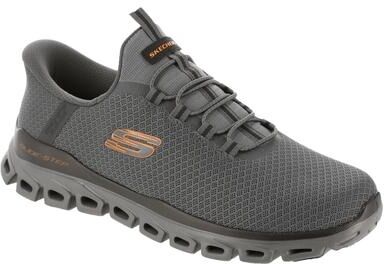
Skechers Sport Slip-ins: Glide Step-Noxus - Mens 7 Grey Training Medium*Step into effortless, easy comfort with Skechers Hands Free Slip-ins: Glide-Step - Noxus. Diamond mesh upper with an xed stretch-laced front. Skechers Air-Cooled Memory Foam insole. Glide-Step midsole. Exclusive Heel Pillow™ Skechers Sport...55,97 $*Shipping: 6,95 $Secure redirect to the provider


-
What is the correct grammatical form of erschreckt erschrocken?
The correct grammatical form of erschreckt erschrocken is "hat erschrocken." This is the past participle form of the verb erschrecken, which means "to scare" or "to frighten." In this form, the verb is conjugated with the auxiliary verb "haben" in the present tense to indicate that the action of being scared has been completed in the past. **
-
Do you say "Ich habe mich erschreckt" or "Ich habe mich erschrocken"?
Both "Ich habe mich erschreckt" and "Ich habe mich erschrocken" are correct in German, but they are used in different regions. "Ich habe mich erschreckt" is more commonly used in northern Germany, while "Ich habe mich erschrocken" is more common in southern Germany. Both forms are accepted and understood throughout the country. **
-
What is correct: "Du hast mich erschrocken" or "Du hast mich erschreckt"?
Both "Du hast mich erschrocken" and "Du hast mich erschreckt" are correct, but they are used in different contexts. "Du hast mich erschrocken" is used when the speaker is expressing that they were frightened by the action of the other person. "Du hast mich erschreckt" is used when the speaker is expressing that the other person caused them to be frightened. Both forms are commonly used in spoken German. **
-
Does it say "Du hast mich erschreckt" or "Du hast mich erschrocken"?
The correct phrase is "Du hast mich erschreckt." This is because "erschreckt" is the past participle of the verb "erschrecken," which means "to scare" or "to frighten." Therefore, the correct phrase translates to "You scared me" in English. **
Does it say "Ich habe mich erschrocken" or "Ich habe mich erschreckt"?
Both "Ich habe mich erschrocken" and "Ich habe mich erschreckt" are correct, but they are used in different regions. "Ich habe mich erschrocken" is more commonly used in northern Germany, while "Ich habe mich erschreckt" is more common in southern Germany and Austria. Both forms mean "I got scared" or "I was startled." **
Who said gesundheit?
"Gesundheit" is a German word that means "health" or "bless you" when someone sneezes. It is commonly said in English-speaking countries after someone sneezes. There is no specific person who said "gesundheit," as it is a cultural practice that has been adopted over time. **
Top-Angebote
Products related to Erschreckt:
-
Is it called "erschrocken" or "erschreckt"?
In German, both "erschrocken" and "erschreckt" are used as past participles of the verb "erschrecken," which means "to scare" or "to frighten." The choice between the two forms depends on the region or dialect. In standard German, "erschrocken" is more commonly used, while "erschreckt" is used in some dialects. Both forms are correct and can be used interchangeably in everyday language. **
-
What is the correct form: erschreckt or erschrocken?
The correct form is "erschrocken." This is the past participle form of the verb "erschrecken," which means "to scare" or "to frighten." The form "erschreckt" is the past tense form of the verb, while "erschrocken" is used to form the perfect tense in German. **
-
What is the correct grammatical form of erschreckt erschrocken?
The correct grammatical form of erschreckt erschrocken is "hat erschrocken." This is the past participle form of the verb erschrecken, which means "to scare" or "to frighten." In this form, the verb is conjugated with the auxiliary verb "haben" in the present tense to indicate that the action of being scared has been completed in the past. **
-
Do you say "Ich habe mich erschreckt" or "Ich habe mich erschrocken"?
Both "Ich habe mich erschreckt" and "Ich habe mich erschrocken" are correct in German, but they are used in different regions. "Ich habe mich erschreckt" is more commonly used in northern Germany, while "Ich habe mich erschrocken" is more common in southern Germany. Both forms are accepted and understood throughout the country. **
Similar search terms for Erschreckt
-
Skechers Sport Slip-ins: Glide Step-Noxus - Mens 7 Grey Training Medium*Step into effortless, easy comfort with Skechers Hands Free Slip-ins: Glide-Step - Noxus. Diamond mesh upper with an xed stretch-laced front. Skechers Air-Cooled Memory Foam insole. Glide-Step midsole. Exclusive Heel Pillow™ Skechers Sport...55,97 $*Shipping: 6,95 $Secure redirect to the provider
-
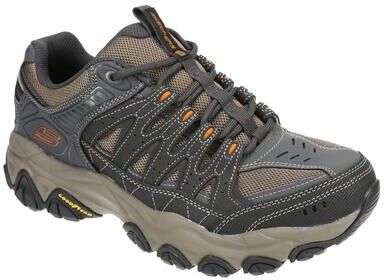
Skechers Sport After Burn-M. Fit 2.0 - Mens 14 Grey Training Medium*Explore wild terrain in comfort with Skechers After Burn M.Fit 2.0.. Leather, synthetic, and mesh upper. Skechers Memory Foam™ insole. Goodyear rubber outsole Skechers Sport After Burn-M. Fit 2.0 - Mens 14 Grey Training Medium59,47 $*Shipping: 6,95 $Secure redirect to the provider
-
What is correct: "Du hast mich erschrocken" or "Du hast mich erschreckt"?
Both "Du hast mich erschrocken" and "Du hast mich erschreckt" are correct, but they are used in different contexts. "Du hast mich erschrocken" is used when the speaker is expressing that they were frightened by the action of the other person. "Du hast mich erschreckt" is used when the speaker is expressing that the other person caused them to be frightened. Both forms are commonly used in spoken German. **
-
Does it say "Du hast mich erschreckt" or "Du hast mich erschrocken"?
The correct phrase is "Du hast mich erschreckt." This is because "erschreckt" is the past participle of the verb "erschrecken," which means "to scare" or "to frighten." Therefore, the correct phrase translates to "You scared me" in English. **
-
Does it say "Ich habe mich erschrocken" or "Ich habe mich erschreckt"?
Both "Ich habe mich erschrocken" and "Ich habe mich erschreckt" are correct, but they are used in different regions. "Ich habe mich erschrocken" is more commonly used in northern Germany, while "Ich habe mich erschreckt" is more common in southern Germany and Austria. Both forms mean "I got scared" or "I was startled." **
-
Who said gesundheit?
"Gesundheit" is a German word that means "health" or "bless you" when someone sneezes. It is commonly said in English-speaking countries after someone sneezes. There is no specific person who said "gesundheit," as it is a cultural practice that has been adopted over time. **
* All prices are inclusive of VAT and, if applicable, plus shipping costs. The offer information is based on the details provided by the respective shop and is updated through automated processes. Real-time updates do not occur, so deviations can occur in individual cases. ** Note: Parts of this content were created by AI.