Buy fitnessbikes.eu ?
We are moving the project
fitnessbikes.eu .
Are you interested in purchasing the domain
fitnessbikes.eu ?
domain@kv-gmbh.de · 0541-91531010
Buy fitnessbikes.eu ?
What does 'du brunzkache du ogsoachte' mean?
The phrase "du brunzkache du ogsoachte" is in the Bavarian dialect of German and translates to "you're crazy, you're delusional" in English. It is used to express disbelief or to dismiss someone's ideas or actions as irrational or nonsensical. **
Do you say "Du backst" or "Du bäckst"?
The correct spelling is "Du backst." The verb "backen" is conjugated as "backst" in the second person singular form. The umlaut on the letter "a" is not used in this conjugation. **
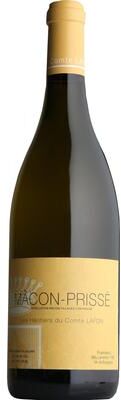
Similar search terms for Heritiers-du-Comte-Lafon
Top-Angebote
Products related to Heritiers-du-Comte-Lafon:
-
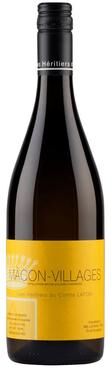
"""Heritiers du Comte Lafon""" """Heritiers du Comte Lafon Macon-Uchizy Les Maranches 2024 White Wine - France""""""Complex aromas of lemon, pear, flowers, mint and a touch of redcurrant. Lovely citrus with incredible energy and juicy brightness. Pale colour. The bouquet offers the muscatty touch, with a good citrus counterbalance on the palate. This has..."40,97 $*Shipping: 0,00 $Secure redirect to the provider



-
Is it said "Du backst" or "Du bäckst"?
The correct form is "Du backst." The verb "backen" means "to bake" in German, and when conjugated for the second person singular (du), it takes the form "backst." The umlaut (ä) in "bäckst" is incorrect in this context. **
-
Does it say "Du backst" or "Du bäckst"?
It says "Du backst." The verb "backen" (to bake) is conjugated as "backst" in the second person singular form in the present tense. The form "Du bäckst" would be incorrect in standard German. **
-
Does it say "Du hältst" or "Du hältst"?
It says "Du hältst." **
-
Why do we say "du hältst" but not "du setzt" instead "du setzt dich"?
In German, the verb "setzen" typically requires a direct object, so when using it in the second person singular form, it is often accompanied by a reflexive pronoun to indicate that the action is being performed on oneself. This is why we say "du setzt dich" instead of just "du setzt." On the other hand, the verb "halten" does not require a direct object, so it can be used on its own without a reflexive pronoun, resulting in "du hältst." This distinction in usage is a characteristic of the German language and its grammar rules. **

What does "Du weißt nicht, was du willst?" mean?
"Du weißt nicht, was du willst?" is a German phrase that translates to "You don't know what you want?" in English. It is often used to express frustration or confusion towards someone who seems indecisive or unsure about their desires or intentions. The phrase can be used in various contexts, such as in relationships, decision-making, or when someone is being wishy-washy about their choices. **
Why is it "du nutzt" and not "du nutzst"?
The verb "nutzen" is an irregular verb in German, and its conjugation in the present tense for the second person singular (du) is "du nutzt" instead of "du nutzst." This irregularity is due to the vowel change in the stem of the verb. In German, some verbs undergo a vowel change in the stem in the present tense conjugation, and "nutzen" is one of those verbs. Therefore, the correct form is "du nutzt" to follow the irregular conjugation pattern of the verb "nutzen." **
Top-Angebote
Products related to Heritiers-du-Comte-Lafon:
-
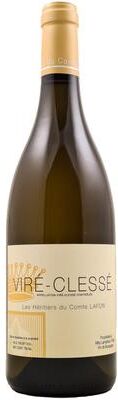
"""Heritiers du Comte Lafon""" """Heritiers du Comte Lafon Vire-Clesse 2024 White Wine - France""""""Blend: 100% Chardonnay A beautiful Viré-Clessé, where Lafon richness meets cool-climate freshness and crispness. Bright yet buttery, showing smoked cream, meringue, a touch of oyster shells and wasabi. Medium-bodied with a flavorful center palate..."47,97 $*Shipping: 0,00 $Secure redirect to the provider
-
What does 'du brunzkache du ogsoachte' mean?
The phrase "du brunzkache du ogsoachte" is in the Bavarian dialect of German and translates to "you're crazy, you're delusional" in English. It is used to express disbelief or to dismiss someone's ideas or actions as irrational or nonsensical. **
-
Do you say "Du backst" or "Du bäckst"?
The correct spelling is "Du backst." The verb "backen" is conjugated as "backst" in the second person singular form. The umlaut on the letter "a" is not used in this conjugation. **
-
Is it said "Du backst" or "Du bäckst"?
The correct form is "Du backst." The verb "backen" means "to bake" in German, and when conjugated for the second person singular (du), it takes the form "backst." The umlaut (ä) in "bäckst" is incorrect in this context. **
-
Does it say "Du backst" or "Du bäckst"?
It says "Du backst." The verb "backen" (to bake) is conjugated as "backst" in the second person singular form in the present tense. The form "Du bäckst" would be incorrect in standard German. **
Similar search terms for Heritiers-du-Comte-Lafon
-
"""Heritiers du Comte Lafon""" """Heritiers du Comte Lafon Macon-Uchizy Les Maranches 2024 White Wine - France""""""Complex aromas of lemon, pear, flowers, mint and a touch of redcurrant. Lovely citrus with incredible energy and juicy brightness. Pale colour. The bouquet offers the muscatty touch, with a good citrus counterbalance on the palate. This has..."40,97 $*Shipping: 0,00 $Secure redirect to the provider
-
"""Heritiers du Comte Lafon""" """Heritiers du Comte Lafon Macon-Uchizy Les Maranches 2023 White Wine - France""""""The Uchizy has fallen clear, with a lemon and lime colour. Pure clear and chiselled, less evidently 2023, a little reduction, then the muscatty component arrives behind. Long, refined and not too fleshy. Barrel Sample: 89-91"""43,99 $*Shipping: 0,00 $Secure redirect to the provider
-
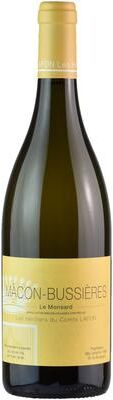
"""Heritiers du Comte Lafon""" """Heritiers du Comte Lafon Macon-Bussieres Le Monsard 2023 White Wine - France""""""The 2023 Mâcon-Bussières Le Monsard has a bright and more mineral-driven bouquet, with fresh pears and green apple scents coming through. The palate is pretty on the entry and pure in style with a fine bead of acidity, though it doesn't quite have..."38,97 $*Shipping: 0,00 $Secure redirect to the provider
-
Does it say "Du hältst" or "Du hältst"?
It says "Du hältst." **
-
Why do we say "du hältst" but not "du setzt" instead "du setzt dich"?
In German, the verb "setzen" typically requires a direct object, so when using it in the second person singular form, it is often accompanied by a reflexive pronoun to indicate that the action is being performed on oneself. This is why we say "du setzt dich" instead of just "du setzt." On the other hand, the verb "halten" does not require a direct object, so it can be used on its own without a reflexive pronoun, resulting in "du hältst." This distinction in usage is a characteristic of the German language and its grammar rules. **
-
What does "Du weißt nicht, was du willst?" mean?
"Du weißt nicht, was du willst?" is a German phrase that translates to "You don't know what you want?" in English. It is often used to express frustration or confusion towards someone who seems indecisive or unsure about their desires or intentions. The phrase can be used in various contexts, such as in relationships, decision-making, or when someone is being wishy-washy about their choices. **
-
Why is it "du nutzt" and not "du nutzst"?
The verb "nutzen" is an irregular verb in German, and its conjugation in the present tense for the second person singular (du) is "du nutzt" instead of "du nutzst." This irregularity is due to the vowel change in the stem of the verb. In German, some verbs undergo a vowel change in the stem in the present tense conjugation, and "nutzen" is one of those verbs. Therefore, the correct form is "du nutzt" to follow the irregular conjugation pattern of the verb "nutzen." **
* All prices are inclusive of VAT and, if applicable, plus shipping costs. The offer information is based on the details provided by the respective shop and is updated through automated processes. Real-time updates do not occur, so deviations can occur in individual cases. ** Note: Parts of this content were created by AI.