Buy fitnessbikes.eu ?
We are moving the project
fitnessbikes.eu .
Are you interested in purchasing the domain
fitnessbikes.eu ?
domain@kv-gmbh.de · 0541-91531010
Buy fitnessbikes.eu ?
What does "Gib ihm böse" mean?
"Gib ihm böse" is a German phrase that translates to "give it to him hard" or "go at it aggressively" in English. It is often used to encourage someone to approach a task or challenge with determination and intensity. The phrase can be used in various contexts, such as sports, work, or personal endeavors, to convey the idea of giving one's all and not holding back. **
What does "gib ihm" actually mean?
"Gib ihm" is a German colloquial expression that roughly translates to "give it your all" or "go for it." It is often used to encourage someone to put in maximum effort or to take a risk. The phrase is commonly used in sports, but can also be used in other contexts to motivate someone to give their best effort. **

Similar search terms for Ihm
Top-Angebote
Products related to Ihm:
-
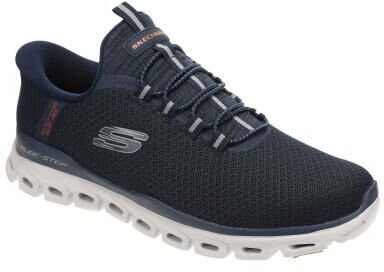
Skechers Sport Slip-ins: Glide Step-Noxus - Mens 9.5 Navy Training Medium*Step into effortless, easy comfort with Skechers Hands Free Slip-ins: Glide-Step - Noxus. Diamond mesh upper with an xed stretch-laced front. Skechers Air-Cooled Memory Foam insole. Glide-Step midsole. Exclusive Heel Pillow™ Skechers Sport...55,97 $*Shipping: 6,95 $Secure redirect to the provider



-
Why is "ihm" used instead of "ihn"?
"Ihm" is used instead of "ihn" because it is the correct dative case form of the pronoun "er" (he). In German, the dative case is used to indicate the indirect object of a sentence, such as the recipient of an action. Therefore, when referring to someone as the indirect object, such as "to him" or "for him," the pronoun "ihm" is used. On the other hand, "ihn" is the accusative case form of "er," which is used for the direct object of a sentence. **
-
How does one use "ihm" and "ihn" correctly?
"Ihm" and "ihn" are both pronouns in German that mean "him." "Ihm" is used when referring to the indirect object of a sentence, while "ihn" is used when referring to the direct object. For example, you would use "ihm" in the sentence "Ich gebe ihm das Buch" (I give him the book) because "him" is the indirect object, and you would use "ihn" in the sentence "Ich sehe ihn" (I see him) because "him" is the direct object. **
-
How do you use "ihm" and "ihn" correctly?
"Ihm" and "ihn" are both pronouns in German that mean "him." "Ihm" is used when referring to the indirect object of a sentence, while "ihn" is used when referring to the direct object. For example, you would use "ihm" in the sentence "Ich gebe ihm das Buch" (I give him the book) because "him" is the indirect object, and you would use "ihn" in the sentence "Ich sehe ihn" (I see him) because "him" is the direct object. **
-
What is the difference between "ihn" and "ihm"?
"Ihn" and "ihm" are both pronouns in German, but they are used in different contexts. "Ihn" is the accusative form of the pronoun, used when the noun it replaces is the direct object of the sentence. For example, "Ich sehe ihn" means "I see him." On the other hand, "ihm" is the dative form of the pronoun, used when the noun it replaces is the indirect object of the sentence. For example, "Ich gebe ihm das Buch" means "I give him the book." So, the main difference between "ihn" and "ihm" is their function in the sentence as accusative and dative pronouns, respectively. **

When does 'in ihm', 'in meinem', 'in ihrem', etc. occur?
The phrases 'in ihm', 'in meinem', 'in ihrem', etc. occur when referring to a location or position of something or someone. These phrases are used to indicate where something or someone is located in relation to the speaker or another object. For example, "Das Buch liegt in meinem Zimmer" (The book is in my room) or "Der Schlüssel steckt in ihm" (The key is in it). **
When does 'in ihm', 'in meinem', 'in ihrem' etc. occur?
'In ihm', 'in meinem', 'in ihrem' etc. are German prepositional phrases that occur when describing the location of something or someone in relation to a masculine, neuter, or feminine noun. The preposition 'in' is followed by the appropriate form of the possessive pronoun (meinem, ihrem, etc.) and then the noun. These phrases are used to indicate where something or someone is located, such as "in meinem Haus" (in my house) or "in ihrem Auto" (in her car). **
Top-Angebote
Products related to Ihm:
-
What does "Gib ihm böse" mean?
"Gib ihm böse" is a German phrase that translates to "give it to him hard" or "go at it aggressively" in English. It is often used to encourage someone to approach a task or challenge with determination and intensity. The phrase can be used in various contexts, such as sports, work, or personal endeavors, to convey the idea of giving one's all and not holding back. **
-
What does "gib ihm" actually mean?
"Gib ihm" is a German colloquial expression that roughly translates to "give it your all" or "go for it." It is often used to encourage someone to put in maximum effort or to take a risk. The phrase is commonly used in sports, but can also be used in other contexts to motivate someone to give their best effort. **
-
Why is "ihm" used instead of "ihn"?
"Ihm" is used instead of "ihn" because it is the correct dative case form of the pronoun "er" (he). In German, the dative case is used to indicate the indirect object of a sentence, such as the recipient of an action. Therefore, when referring to someone as the indirect object, such as "to him" or "for him," the pronoun "ihm" is used. On the other hand, "ihn" is the accusative case form of "er," which is used for the direct object of a sentence. **
-
How does one use "ihm" and "ihn" correctly?
"Ihm" and "ihn" are both pronouns in German that mean "him." "Ihm" is used when referring to the indirect object of a sentence, while "ihn" is used when referring to the direct object. For example, you would use "ihm" in the sentence "Ich gebe ihm das Buch" (I give him the book) because "him" is the indirect object, and you would use "ihn" in the sentence "Ich sehe ihn" (I see him) because "him" is the direct object. **
Similar search terms for Ihm
-
Skechers Sport Slip-ins: Glide Step-Noxus - Mens 9.5 Navy Training Medium*Step into effortless, easy comfort with Skechers Hands Free Slip-ins: Glide-Step - Noxus. Diamond mesh upper with an xed stretch-laced front. Skechers Air-Cooled Memory Foam insole. Glide-Step midsole. Exclusive Heel Pillow™ Skechers Sport...55,97 $*Shipping: 6,95 $Secure redirect to the provider
-
How do you use "ihm" and "ihn" correctly?
"Ihm" and "ihn" are both pronouns in German that mean "him." "Ihm" is used when referring to the indirect object of a sentence, while "ihn" is used when referring to the direct object. For example, you would use "ihm" in the sentence "Ich gebe ihm das Buch" (I give him the book) because "him" is the indirect object, and you would use "ihn" in the sentence "Ich sehe ihn" (I see him) because "him" is the direct object. **
-
What is the difference between "ihn" and "ihm"?
"Ihn" and "ihm" are both pronouns in German, but they are used in different contexts. "Ihn" is the accusative form of the pronoun, used when the noun it replaces is the direct object of the sentence. For example, "Ich sehe ihn" means "I see him." On the other hand, "ihm" is the dative form of the pronoun, used when the noun it replaces is the indirect object of the sentence. For example, "Ich gebe ihm das Buch" means "I give him the book." So, the main difference between "ihn" and "ihm" is their function in the sentence as accusative and dative pronouns, respectively. **
-
When does 'in ihm', 'in meinem', 'in ihrem', etc. occur?
The phrases 'in ihm', 'in meinem', 'in ihrem', etc. occur when referring to a location or position of something or someone. These phrases are used to indicate where something or someone is located in relation to the speaker or another object. For example, "Das Buch liegt in meinem Zimmer" (The book is in my room) or "Der Schlüssel steckt in ihm" (The key is in it). **
-
When does 'in ihm', 'in meinem', 'in ihrem' etc. occur?
'In ihm', 'in meinem', 'in ihrem' etc. are German prepositional phrases that occur when describing the location of something or someone in relation to a masculine, neuter, or feminine noun. The preposition 'in' is followed by the appropriate form of the possessive pronoun (meinem, ihrem, etc.) and then the noun. These phrases are used to indicate where something or someone is located, such as "in meinem Haus" (in my house) or "in ihrem Auto" (in her car). **
* All prices are inclusive of VAT and, if applicable, plus shipping costs. The offer information is based on the details provided by the respective shop and is updated through automated processes. Real-time updates do not occur, so deviations can occur in individual cases. ** Note: Parts of this content were created by AI.