Buy fitnessbikes.eu ?
We are moving the project
fitnessbikes.eu .
Are you interested in purchasing the domain
fitnessbikes.eu ?
domain@kv-gmbh.de · 0541-91531010
Buy fitnessbikes.eu ?
Should there be music without rhythm?
Music without rhythm can certainly exist and can be a powerful form of expression. Without rhythm, the focus shifts to other elements such as melody, harmony, and timbre, allowing for a different kind of emotional impact. This type of music can be more free-flowing and abstract, appealing to those who appreciate a more experimental or avant-garde approach to music. Ultimately, the beauty of music lies in its diversity and ability to evoke different emotions and responses, so there is certainly a place for music without rhythm in the musical landscape. **
What is a shuffle rhythm in music?
A shuffle rhythm in music is a distinctive groove that features a triplet feel, where each beat is divided into three equal parts instead of the usual two. This creates a syncopated, swinging feel that is commonly associated with blues, jazz, and rock music. The shuffle rhythm is often characterized by a bouncy, uneven pattern that gives the music a lively and energetic quality. **

Similar search terms for Market-Central-Music-Rhythm
Top-Angebote
Products related to Market-Central-Music-Rhythm:
-
Market Central Light And Music Unicorn Pegasus Toy With Fantasy Wings For Kids whiteBring a little fairytale magic into everyday play with this charming unicorn toy. Designed with colorful fantasy wings plus engaging lights and music, it creates an imaginative companion kids can enjoy during playtime. This adorable Pegasus toy...47,97 $*Shipping: 0,00 $Secure redirect to the provider
-
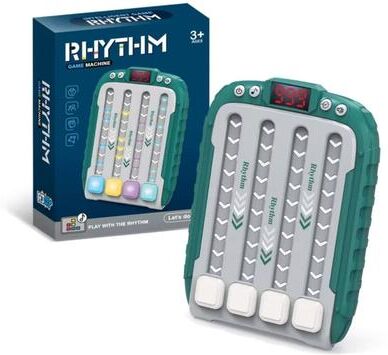
Uplift Picks Music Rhythm Game Machine Light Up Brain Training Puzzle Toy For Kids greenKeep little hands busy and minds engaged with this exciting music rhythm game machine designed for fun and learning. This interactive light up puzzle toy for kids combines sound, color, and quick reactions to challenge focus and coordination....38,48 $*Shipping: 0,00 $Secure redirect to the provider
-
Market Central Music Rhythm Game Machine Light Up Brain Training Sensory Toy For Kids redTurn playtime into an exciting mix of music, lights, and skillbuilding fun with this music rhythm game. Designed for kids who enjoy fastpaced interactive play, it challenges them to follow light patterns and respond at the right moment. This brain...44,97 $*Shipping: 0,00 $Secure redirect to the provider
-
Market Central Music Rhythm Game Machine Light Up Brain Training Sensory Toy For Kids greenTurn playtime into an exciting mix of music, lights, and skillbuilding fun with this music rhythm game. Designed for kids who enjoy fastpaced interactive play, it challenges them to follow light patterns and respond at the right moment. This brain...44,97 $*Shipping: 0,00 $Secure redirect to the provider



-
How do duration, rhythm, and inversions influence music?
Duration, rhythm, and inversions play crucial roles in shaping the overall sound and feel of music. Duration refers to the length of notes or sounds, which can create tension, release, or a sense of continuity in a piece. Rhythm dictates the pattern of beats and accents, influencing the groove and energy of a composition. Inversions, where the notes of a chord are rearranged, can add complexity, tension, or a sense of resolution to the harmonic structure of a piece. Together, these elements contribute to the emotional impact and structure of music, shaping the listener's experience. **
-
What are meter, time signature, and rhythm in music?
Meter in music refers to the organization of beats into regular patterns, such as 4/4 or 3/4. Time signature is a notation used in sheet music to indicate the meter of a piece. Rhythm, on the other hand, refers to the pattern of sounds and silences in music, created by the arrangement of notes and rests within a particular meter. Together, meter, time signature, and rhythm help to establish the overall feel and structure of a musical composition. **
-
What is meter, time signature, and rhythm in music?
Meter in music refers to the organization of beats into regular groupings. It is indicated by the time signature, which consists of two numbers written at the beginning of a piece of music. The top number represents the number of beats in each measure, while the bottom number represents the type of note that receives one beat. Rhythm, on the other hand, refers to the pattern of sounds and silences in music, created by the arrangement of notes and rests within the meter. Together, meter, time signature, and rhythm provide the framework for the rhythmic structure of a musical piece. **
-
What is the rhythm in music in the 5th grade?
In 5th grade music, students typically learn about different rhythms and time signatures. They learn about basic rhythmic patterns such as whole notes, half notes, quarter notes, and eighth notes. Students also learn how to read and clap rhythms using these different note values. Additionally, they may start to explore more complex rhythms like syncopation and dotted rhythms. **


How do you complete rhythm symbols in a music test?
To complete rhythm symbols in a music test, you need to accurately notate the duration of each note or rest. This involves understanding the value of different note and rest symbols, such as whole notes, half notes, quarter notes, and their corresponding rests. Pay attention to the time signature provided in the test, as it will dictate how many beats are in each measure and help you determine the rhythm pattern. Practice counting the beats out loud and clapping the rhythm to ensure you are accurately representing the rhythm symbols in your notation. **
Do you have no sense of timing, rhythm, and music?
As an AI language model, I don't have a sense of timing, rhythm, or music in the same way that humans do. However, I can generate and understand musical compositions and rhythms based on the input and parameters provided to me. My ability to create and interpret music is based on the data and patterns I have been trained on, rather than a personal sense of timing and rhythm. **
Top-Angebote
Products related to Market-Central-Music-Rhythm:
-
Market Central Music Rhythm Game Machine Light Up Brain Training Sensory Toy For Kids blueTurn playtime into an exciting mix of music, lights, and skillbuilding fun with this music rhythm game. Designed for kids who enjoy fastpaced interactive play, it challenges them to follow light patterns and respond at the right moment. This brain...44,97 $*Shipping: 0,00 $Secure redirect to the provider
-
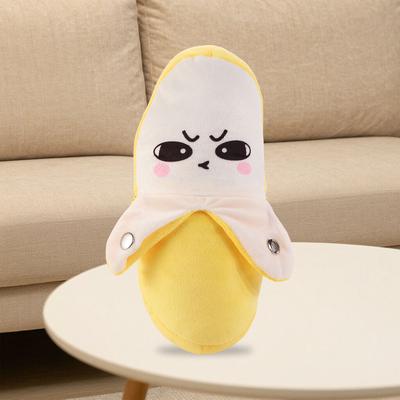
JoyToys Interactive Banana Music Plush Toy Sensory Rhythm Learning Toy For Kids & Families Interactive Banana Music Plush Toy Sensory Rhythm Learning Toy For Kids & FamiliesBring laughter, learning, and music together with this Interactive Music Plush Toy that turns every touch into a fun rhythm experience. Designed for curious kids and playful families, this adorable Sensory Plush Toy combines soft cuddles with...37,97 $*Shipping: 0,00 $Secure redirect to the provider
-
Market Central Light And Music Unicorn Pegasus Toy With Fantasy Wings For Kids whiteBring a little fairytale magic into everyday play with this charming unicorn toy. Designed with colorful fantasy wings plus engaging lights and music, it creates an imaginative companion kids can enjoy during playtime. This adorable Pegasus toy...47,97 $*Shipping: 0,00 $Secure redirect to the provider
-
Uplift Picks Music Rhythm Game Machine Light Up Brain Training Puzzle Toy For Kids greenKeep little hands busy and minds engaged with this exciting music rhythm game machine designed for fun and learning. This interactive light up puzzle toy for kids combines sound, color, and quick reactions to challenge focus and coordination....38,48 $*Shipping: 0,00 $Secure redirect to the provider
-
Should there be music without rhythm?
Music without rhythm can certainly exist and can be a powerful form of expression. Without rhythm, the focus shifts to other elements such as melody, harmony, and timbre, allowing for a different kind of emotional impact. This type of music can be more free-flowing and abstract, appealing to those who appreciate a more experimental or avant-garde approach to music. Ultimately, the beauty of music lies in its diversity and ability to evoke different emotions and responses, so there is certainly a place for music without rhythm in the musical landscape. **
-
What is a shuffle rhythm in music?
A shuffle rhythm in music is a distinctive groove that features a triplet feel, where each beat is divided into three equal parts instead of the usual two. This creates a syncopated, swinging feel that is commonly associated with blues, jazz, and rock music. The shuffle rhythm is often characterized by a bouncy, uneven pattern that gives the music a lively and energetic quality. **
-
How do duration, rhythm, and inversions influence music?
Duration, rhythm, and inversions play crucial roles in shaping the overall sound and feel of music. Duration refers to the length of notes or sounds, which can create tension, release, or a sense of continuity in a piece. Rhythm dictates the pattern of beats and accents, influencing the groove and energy of a composition. Inversions, where the notes of a chord are rearranged, can add complexity, tension, or a sense of resolution to the harmonic structure of a piece. Together, these elements contribute to the emotional impact and structure of music, shaping the listener's experience. **
-
What are meter, time signature, and rhythm in music?
Meter in music refers to the organization of beats into regular patterns, such as 4/4 or 3/4. Time signature is a notation used in sheet music to indicate the meter of a piece. Rhythm, on the other hand, refers to the pattern of sounds and silences in music, created by the arrangement of notes and rests within a particular meter. Together, meter, time signature, and rhythm help to establish the overall feel and structure of a musical composition. **
Similar search terms for Market-Central-Music-Rhythm
-
Market Central Music Rhythm Game Machine Light Up Brain Training Sensory Toy For Kids redTurn playtime into an exciting mix of music, lights, and skillbuilding fun with this music rhythm game. Designed for kids who enjoy fastpaced interactive play, it challenges them to follow light patterns and respond at the right moment. This brain...44,97 $*Shipping: 0,00 $Secure redirect to the provider
-
Market Central Music Rhythm Game Machine Light Up Brain Training Sensory Toy For Kids greenTurn playtime into an exciting mix of music, lights, and skillbuilding fun with this music rhythm game. Designed for kids who enjoy fastpaced interactive play, it challenges them to follow light patterns and respond at the right moment. This brain...44,97 $*Shipping: 0,00 $Secure redirect to the provider
-
Market Central Music Rhythm Game Machine Light Up Brain Training Sensory Toy For Kids regular GreyTurn playtime into an exciting mix of music, lights, and skillbuilding fun with this music rhythm game. Designed for kids who enjoy fastpaced interactive play, it challenges them to follow light patterns and respond at the right moment. This brain...39,97 $*Shipping: 0,00 $Secure redirect to the provider
-
Market Central Music Rhythm Game Machine Light Up Brain Training Sensory Toy For Kids regular PinkTurn playtime into an exciting mix of music, lights, and skillbuilding fun with this music rhythm game. Designed for kids who enjoy fastpaced interactive play, it challenges them to follow light patterns and respond at the right moment. This brain...39,97 $*Shipping: 0,00 $Secure redirect to the provider
-
What is meter, time signature, and rhythm in music?
Meter in music refers to the organization of beats into regular groupings. It is indicated by the time signature, which consists of two numbers written at the beginning of a piece of music. The top number represents the number of beats in each measure, while the bottom number represents the type of note that receives one beat. Rhythm, on the other hand, refers to the pattern of sounds and silences in music, created by the arrangement of notes and rests within the meter. Together, meter, time signature, and rhythm provide the framework for the rhythmic structure of a musical piece. **
-
What is the rhythm in music in the 5th grade?
In 5th grade music, students typically learn about different rhythms and time signatures. They learn about basic rhythmic patterns such as whole notes, half notes, quarter notes, and eighth notes. Students also learn how to read and clap rhythms using these different note values. Additionally, they may start to explore more complex rhythms like syncopation and dotted rhythms. **
-
How do you complete rhythm symbols in a music test?
To complete rhythm symbols in a music test, you need to accurately notate the duration of each note or rest. This involves understanding the value of different note and rest symbols, such as whole notes, half notes, quarter notes, and their corresponding rests. Pay attention to the time signature provided in the test, as it will dictate how many beats are in each measure and help you determine the rhythm pattern. Practice counting the beats out loud and clapping the rhythm to ensure you are accurately representing the rhythm symbols in your notation. **
-
Do you have no sense of timing, rhythm, and music?
As an AI language model, I don't have a sense of timing, rhythm, or music in the same way that humans do. However, I can generate and understand musical compositions and rhythms based on the input and parameters provided to me. My ability to create and interpret music is based on the data and patterns I have been trained on, rather than a personal sense of timing and rhythm. **
* All prices are inclusive of VAT and, if applicable, plus shipping costs. The offer information is based on the details provided by the respective shop and is updated through automated processes. Real-time updates do not occur, so deviations can occur in individual cases. ** Note: Parts of this content were created by AI.