Buy fitnessbikes.eu ?
We are moving the project
fitnessbikes.eu .
Are you interested in purchasing the domain
fitnessbikes.eu ?
domain@kv-gmbh.de · 0541-91531010
Buy fitnessbikes.eu ?
Who were the Moors?
The Moors were a group of Muslim people of North African and Arab descent who conquered and ruled parts of the Iberian Peninsula (modern-day Spain and Portugal) from the 8th to the 15th centuries. They had a significant influence on the culture, architecture, and language of the region during their rule. The Moors were known for their advanced knowledge in mathematics, science, and philosophy, and their presence in the Iberian Peninsula left a lasting impact on the history of the region. **
What is the difference between moors and swamps?
Moors are typically characterized by open, treeless expanses of grasses, heather, and low-lying shrubs, often found in upland areas with poor drainage. They are usually found in cooler, northern climates and are often associated with peat bogs. Swamps, on the other hand, are wetland areas characterized by standing water and dominated by trees and shrubs. They are typically found in low-lying areas with slow-moving or stagnant water, and are often associated with warmer, more tropical climates. Overall, moors are more open and grassy, while swamps are more densely vegetated with trees and shrubs. **


Similar search terms for Moors
Top-Angebote
Products related to Moors:



-
Is it advisable to drain moors for peat extraction?
Draining moors for peat extraction can have significant environmental consequences. Peatlands are important ecosystems that provide habitat for unique plant and animal species, and they also play a crucial role in carbon storage and water regulation. Draining moors for peat extraction can lead to the release of stored carbon, contributing to climate change, and can also result in the loss of biodiversity and disruption of water flow. Therefore, it is not advisable to drain moors for peat extraction, and alternative, more sustainable methods of obtaining peat or using alternative materials should be considered. **
-
Who were the Moors who ruled Spain for a long time?
The Moors were a group of Muslim people from North Africa who conquered and ruled Spain for nearly 800 years, from 711 to 1492. They brought with them advanced knowledge in science, mathematics, and architecture, and their rule had a significant impact on the culture and development of Spain. The Moors were eventually expelled from Spain during the Reconquista, a series of Christian military campaigns to reclaim the Iberian Peninsula. **
-
Is the renaturation of moors a good measure against the climate collapse?
Renaturation of moors can be a good measure against climate collapse as it helps to restore the natural carbon storage capacity of the ecosystem. Moors act as important carbon sinks, and by restoring them, we can help mitigate the effects of climate change. Additionally, renaturation of moors can also help to restore biodiversity and improve water quality. However, it is important to consider the potential impact on local communities and ensure that the renaturation efforts are carried out in a sustainable and inclusive manner. **
-
Who said gesundheit?
"Gesundheit" is a German word that means "health" or "bless you" when someone sneezes. It is commonly said in English-speaking countries after someone sneezes. There is no specific person who said "gesundheit," as it is a cultural practice that has been adopted over time. **

¿Quién dijo "gesundheit"?
La palabra "gesundheit" es una expresión alemana que se utiliza para desearle salud a alguien después de que estornuda. No está asociada a una persona en particular, sino que es una expresión comúnmente utilizada en varios países de habla inglesa. **
What does Ausdauer 14 mean?
Ausdauer 14 is a German term that translates to "endurance 14" in English. It refers to the ability to sustain prolonged physical or mental effort over a period of time. In the context of fitness or sports, Ausdauer 14 may refer to a specific training program or level of endurance that an athlete aims to achieve. Overall, Ausdauer 14 represents the capacity to persist and endure through challenges and obstacles. **
Top-Angebote
Products related to Moors:
-
Who were the Moors?
The Moors were a group of Muslim people of North African and Arab descent who conquered and ruled parts of the Iberian Peninsula (modern-day Spain and Portugal) from the 8th to the 15th centuries. They had a significant influence on the culture, architecture, and language of the region during their rule. The Moors were known for their advanced knowledge in mathematics, science, and philosophy, and their presence in the Iberian Peninsula left a lasting impact on the history of the region. **
-
What is the difference between moors and swamps?
Moors are typically characterized by open, treeless expanses of grasses, heather, and low-lying shrubs, often found in upland areas with poor drainage. They are usually found in cooler, northern climates and are often associated with peat bogs. Swamps, on the other hand, are wetland areas characterized by standing water and dominated by trees and shrubs. They are typically found in low-lying areas with slow-moving or stagnant water, and are often associated with warmer, more tropical climates. Overall, moors are more open and grassy, while swamps are more densely vegetated with trees and shrubs. **
-
Is it advisable to drain moors for peat extraction?
Draining moors for peat extraction can have significant environmental consequences. Peatlands are important ecosystems that provide habitat for unique plant and animal species, and they also play a crucial role in carbon storage and water regulation. Draining moors for peat extraction can lead to the release of stored carbon, contributing to climate change, and can also result in the loss of biodiversity and disruption of water flow. Therefore, it is not advisable to drain moors for peat extraction, and alternative, more sustainable methods of obtaining peat or using alternative materials should be considered. **
-
Who were the Moors who ruled Spain for a long time?
The Moors were a group of Muslim people from North Africa who conquered and ruled Spain for nearly 800 years, from 711 to 1492. They brought with them advanced knowledge in science, mathematics, and architecture, and their rule had a significant impact on the culture and development of Spain. The Moors were eventually expelled from Spain during the Reconquista, a series of Christian military campaigns to reclaim the Iberian Peninsula. **
Similar search terms for Moors
-
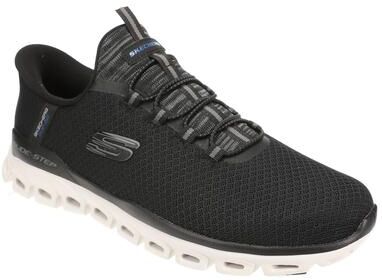
Skechers Sport Slip-ins: Glide Step-Noxus - Mens 9 Black Training Medium*Step into effortless, easy comfort with Skechers Hands Free Slip-ins: Glide-Step - Noxus. Diamond mesh upper with an xed stretch-laced front. Skechers Air-Cooled Memory Foam insole. Glide-Step midsole. Exclusive Heel Pillow™ Skechers Sport...55,97 $*Shipping: 6,95 $Secure redirect to the provider
-
Is the renaturation of moors a good measure against the climate collapse?
Renaturation of moors can be a good measure against climate collapse as it helps to restore the natural carbon storage capacity of the ecosystem. Moors act as important carbon sinks, and by restoring them, we can help mitigate the effects of climate change. Additionally, renaturation of moors can also help to restore biodiversity and improve water quality. However, it is important to consider the potential impact on local communities and ensure that the renaturation efforts are carried out in a sustainable and inclusive manner. **
-
Who said gesundheit?
"Gesundheit" is a German word that means "health" or "bless you" when someone sneezes. It is commonly said in English-speaking countries after someone sneezes. There is no specific person who said "gesundheit," as it is a cultural practice that has been adopted over time. **
-
¿Quién dijo "gesundheit"?
La palabra "gesundheit" es una expresión alemana que se utiliza para desearle salud a alguien después de que estornuda. No está asociada a una persona en particular, sino que es una expresión comúnmente utilizada en varios países de habla inglesa. **
-
What does Ausdauer 14 mean?
Ausdauer 14 is a German term that translates to "endurance 14" in English. It refers to the ability to sustain prolonged physical or mental effort over a period of time. In the context of fitness or sports, Ausdauer 14 may refer to a specific training program or level of endurance that an athlete aims to achieve. Overall, Ausdauer 14 represents the capacity to persist and endure through challenges and obstacles. **
* All prices are inclusive of VAT and, if applicable, plus shipping costs. The offer information is based on the details provided by the respective shop and is updated through automated processes. Real-time updates do not occur, so deviations can occur in individual cases. ** Note: Parts of this content were created by AI.